
BPC-157: What Researchers Need to Know in 2026
Read Time: 8 min
BPC-157 has quietly become one of the most discussed compounds in peptide research circles. Originally isolated from human gastric juice, this 15-amino-acid peptide has generated a substantial body of preclinical literature spanning tissue repair, angiogenesis, and inflammatory modulation. But what does the research actually show, and why are so many laboratories prioritising it?
Molecular Profile
Body Protection Compound-157 (BPC-157) is a synthetic pentadecapeptide derived from a protective protein found in human gastric juice. Its amino acid sequence is Gly-Glu-Pro-Pro-Pro-Gly-Lys-Pro-Ala-Asp-Asp-Ala-Gly-Leu-Val, with a molecular weight of 1419.53 g/mol.
Unlike many bioactive peptides, BPC-157 demonstrates remarkable stability in human gastric juice, which is unusual for a peptide of this size. It does not degrade readily in acidic environments, a property that has made it particularly interesting to researchers studying gastrointestinal models.
What the Published Research Shows
The preclinical literature on BPC-157 is extensive. A PubMed search returns hundreds of published studies, predominantly in animal models. The key areas of investigation include:
Tissue Repair and Wound Healing
Multiple rodent studies have demonstrated accelerated healing of various tissue types including muscle, tendon, ligament, and bone. A 2018 study published in the Journal of Physiology-Paris reported enhanced tendon-to-bone healing in a rat model, with researchers observing improved collagen organisation at the repair site. Separate studies have shown similar effects in muscle crush injuries and skin wound models.
Gastrointestinal Protection
Given its origin in gastric juice, it is perhaps unsurprising that BPC-157 has shown protective effects across multiple GI models. Published research includes studies on inflammatory bowel disease models, gastric ulcer models, and oesophageal damage models. Researchers have noted cytoprotective properties that appear to operate through multiple pathways simultaneously.
Angiogenesis
Several studies have reported that BPC-157 promotes the formation of new blood vessels. A 2014 study in the Journal of Orthopaedic Research demonstrated enhanced angiogenesis in a rat Achilles tendon model. This pro-angiogenic property is thought to be a key mechanism underlying its observed effects on tissue repair.
Nitric Oxide System Interaction
Research published in Current Pharmaceutical Design and other journals has explored BPC-157’s interaction with the nitric oxide (NO) system. The peptide appears to modulate NO pathways, which may partially explain its wide-ranging effects across different tissue types and injury models.
Stability and Handling
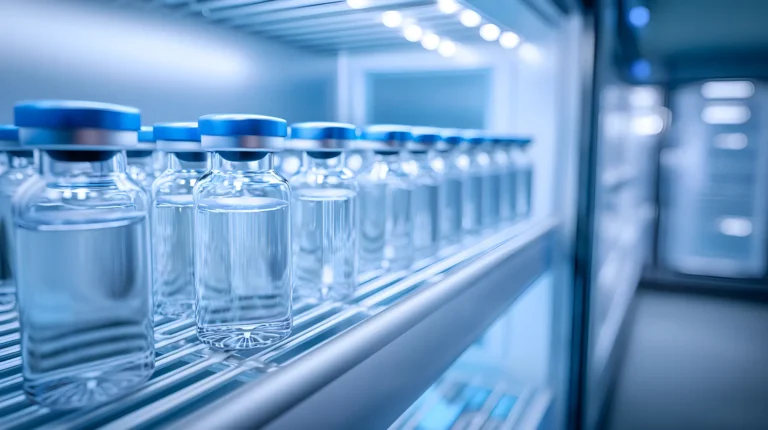
One practical advantage of BPC-157 for laboratory use is its relative stability. In lyophilised form, it maintains integrity when stored at -20°C for extended periods. Once reconstituted in bacteriostatic water, it should be refrigerated at 2-8°C and used within a reasonable timeframe.
The peptide is soluble in water and does not require complex solvents for reconstitution, making it straightforward to work with in a laboratory setting.
Current Limitations
It is important to note that the vast majority of BPC-157 research has been conducted in animal models. Large-scale human clinical trials are limited, and the compound does not currently hold any regulatory approval for therapeutic use. Researchers should approach the existing literature with appropriate scientific caution and recognise that preclinical results do not automatically translate to human applications.
Additionally, the mechanisms of action are not fully elucidated. While multiple pathways have been proposed, including VEGF upregulation, FAK-paxillin pathway activation, and NO system modulation, the precise mechanistic picture remains an active area of investigation.
Why Purity Matters
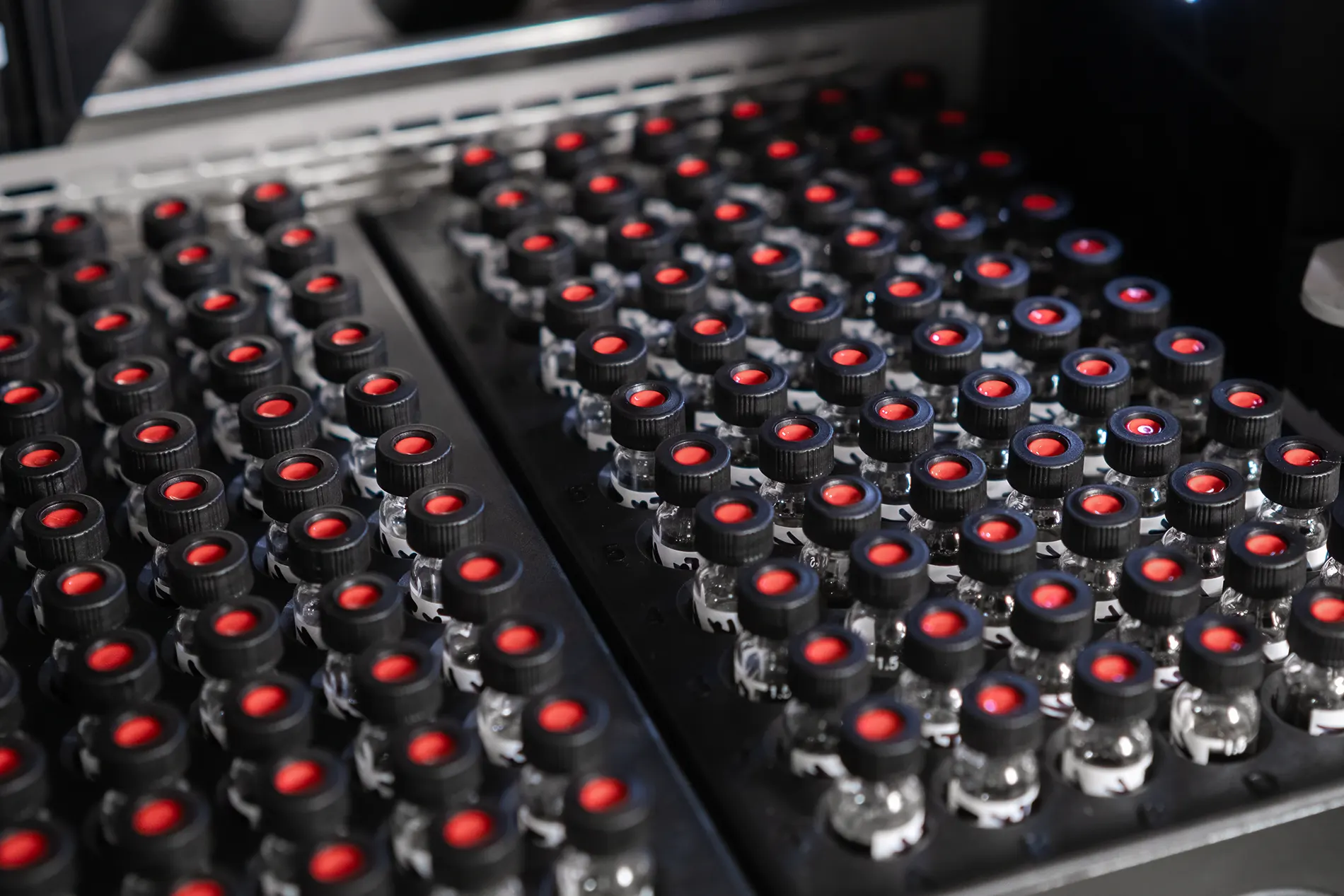
For meaningful research outcomes, peptide purity is non-negotiable. Impurities can introduce confounding variables that compromise experimental results. When sourcing BPC-157 for research, look for suppliers providing batch-specific HPLC certificates of analysis showing purity levels of 98% or above, alongside mass spectrometry confirmation of molecular weight.
All of our BPC-157 is manufactured in GMP-grade UK facilities and independently tested by third-party laboratories. Every batch ships with a downloadable certificate of analysis.
Summary
BPC-157 remains one of the most actively studied peptides in preclinical research. Its unusual stability, broad range of observed effects, and straightforward handling make it a practical choice for laboratories investigating tissue repair, GI protection, and related pathways. As always, researchers should source from suppliers who provide transparent, verifiable quality documentation.