
Are Peptides Steroids? Key Differences, UK Law, and Safety Explained
Are peptides steroids? It’s one of the most searched questions in the UK fitness world right now, and the confusion is completely understandable. Both get talked about in the same breath in gym changing rooms and online forums, often by people who are genuinely trying to understand what they’re putting into their bodies. But the answer is a firm no: peptides and steroids are fundamentally different compounds, and mixing them up can lead to poor decisions about health, legality, and safety.
Are Peptides Steroids? Key Differences Explained
Let’s start at the molecular level, because that’s where the confusion ends. Peptides are short chains of amino acids, the same building blocks that make up proteins. When amino acids link together in sequences shorter than roughly 50 units, the resulting compound is called a peptide. Longer chains become proteins. It’s essentially a spectrum of the same biological language your body already speaks.
Steroids, on the other hand, are an entirely different chemical family. Anabolic steroids are synthetic derivatives of testosterone, built around a four-ring carbon skeleton that is fat-soluble and structurally closer to cholesterol than to anything made of amino acids. The NHS describes anabolic steroid misuse as a serious public health concern, with well-documented effects on hormone regulation, cardiovascular health, and liver function1.
So are peptides steroids? Chemically, biologically, and legally: no. They don’t share a molecular structure, they don’t work through the same receptors, and they don’t carry the same regulatory classification. Calling a peptide a steroid is a bit like calling a vitamin a hormone because both affect how you feel.
How Peptides Work in the Body
Peptides work by binding to specific receptors on cell surfaces, triggering a cascade of biological responses. Many of the peptides discussed in fitness and research contexts work by signalling the pituitary gland to release growth hormone. They don’t introduce synthetic hormones from outside the body in the way anabolic steroids do. Instead, they nudge the body’s own systems. That distinction matters enormously, both for how they behave and for how they’re regulated.
Anabolic steroids, by contrast, flood the body with synthetic androgens that bind directly to androgen receptors in muscle tissue, bone, and other organs. The result is significant muscle hypertrophy, but also suppression of the body’s natural testosterone production, often dramatically so. The body senses excess androgen and shuts down its own production. That’s why steroid users can experience hormonal crashes, infertility, and mood dysregulation.
What the NHS and UK Doctors Say About Peptides
Here’s the thing: the NHS doesn’t have a blanket position on all peptides, because peptides are not a single category of drug. Some are medicines. Some are research compounds. Some are food-derived. Insulin, for example, is a peptide, and it’s one of the most prescribed medicines in the world. Semaglutide (the active ingredient in Ozempic) is a peptide-based medicine that the BNF lists for the management of type 2 diabetes and, more recently, obesity2.
So UK doctors absolutely do prescribe peptides. But they prescribe specific, licensed peptide medicines for specific medical conditions. What they are unlikely to do is prescribe research peptides for bodybuilding, fat loss, or performance enhancement. That’s a different conversation entirely, and most GPs would be sceptical at best.
I remember chatting with a GP friend of mine at a family gathering a while back. She’d had a patient come in asking about a growth hormone-releasing peptide they’d read about online. Her response was measured but clear: without clinical trials establishing safety and efficacy for that specific use, she simply couldn’t recommend it. Not because she thought the patient was being reckless, but because the evidence base wasn’t there to support a prescription. Anyway, that exchange stuck with me as a good illustration of where mainstream medicine currently sits on this.
The Legal Status of Peptides in the UK
This is where things get genuinely nuanced, and where a lot of online sources fall short because most of the content out there is written with the US regulatory framework in mind. UK law is different.
Anabolic steroids are Class C controlled substances under the Misuse of Drugs Act 1971. Possession for personal use is not a criminal offence, but supply is. Importing steroids without a prescription is illegal. The framework is reasonably clear.
Peptides occupy a more complex space. Most research peptides are not listed as controlled substances under the Misuse of Drugs Act. That means simple possession of many peptides is not a criminal offence in the UK. However, selling peptides for human consumption without a medicines licence from the MHRA is illegal under the Human Medicines Regulations 2012. The distinction matters: the compound itself may not be controlled, but the intent and the marketing around it are regulated.
Before you buy anything, it’s worth reading up on what you need to know before buying research peptides in the UK, because the legal picture shifts depending on the specific compound and how it’s being sold.
| Compound Type | UK Legal Status | Prescription Required? | Controlled Substance? |
|---|---|---|---|
| Anabolic Steroids | Class C under MDA 1971 | Yes (for legal supply) | Yes |
| Licensed Peptide Medicines (e.g. insulin, semaglutide) | Prescription-only medicine (POM) | Yes | No |
| Research Peptides (unlicensed) | Grey area: not controlled, but not licensed for human use | No (but cannot be sold for human consumption) | No |
How Peptides Compare to Anabolic Steroids for Muscle Building

What peptides are actually used for muscle building, and how do they work? The most commonly discussed peptides in bodybuilding contexts are growth hormone secretagogues: compounds that stimulate the pituitary to release more growth hormone. These include classes like growth hormone-releasing peptides (GHRPs) and growth hormone-releasing hormone analogues (GHRHs). They don’t directly build muscle the way anabolic steroids do. Instead, they work upstream, encouraging the body to produce more of its own growth hormone, which in turn can support muscle recovery, fat metabolism, and sleep quality.
Anabolic steroids work downstream and directly. They bind to androgen receptors in muscle cells and switch on genes associated with protein synthesis and muscle growth. The effects are faster and more pronounced than most peptides. But so are the risks.
Peptides work with the body’s own signalling systems. Anabolic steroids override them. That distinction shapes everything from their effects to their risks.
Does that mean peptides are useless for physique goals? Not necessarily. But they’re not a direct swap for steroids, and anyone who tells you otherwise is either misinformed or selling something. The honest answer is that research in this area is still developing, and the evidence base for many peptides in healthy adults is thinner than fitness influencers would have you believe.
Common Peptides Discussed in Bodybuilding Contexts
- BPC-157: A body protection compound studied for tissue repair and recovery in animal models.
- TB-500 (Thymosin Beta-4 fragment): Associated with wound healing and muscle repair in research settings.
- Ipamorelin: A selective growth hormone secretagogue with a relatively targeted action profile.
- CJC-1295: A GHRH analogue often stacked with Ipamorelin in research protocols.
- IGF-1 LR3: A long-acting analogue of insulin-like growth factor 1, studied for its anabolic signalling properties.
None of these are steroids. None are licensed for human use in the UK outside of specific medical contexts. And none should be used without proper understanding of what they are and how they interact with your physiology. If you want a broader overview, the complete UK buyer’s guide to research peptides covers sourcing, quality, and what to look for.
Safety Considerations: Daily Peptide Use and Health Risks

Let’s be honest about this. The question isn’t just whether peptides are safer than steroids in theory. It’s whether daily use without medical supervision is safe in practice. And the answer there is: we genuinely don’t know enough yet for most research peptides.
What we do know is that the side effect profile of most peptides differs substantially from anabolic steroids. Steroids are well-documented to suppress endogenous testosterone production, raise LDL cholesterol, cause liver strain (particularly oral forms), trigger acne, and in some cases accelerate male pattern baldness or cause gynaecomastia1. These are serious, sometimes irreversible effects.
Peptides, particularly those that stimulate rather than replace hormone production, tend to have a more targeted action. But that doesn’t mean risk-free. Common concerns with unsupervised peptide use include:
- Injection site reactions including redness, swelling, and soreness.
- Water retention, particularly with growth hormone-stimulating peptides.
- Temporary increases in blood glucose levels, especially with GH-releasing compounds.
- Potential for elevated IGF-1 levels with prolonged use, which has been associated with cellular proliferation in some research models.
- Hormonal imbalance if used without baseline bloodwork and ongoing monitoring.
- Unknown long-term effects in healthy adults, given the limited human trial data for many compounds.
Peptides vs Testosterone: Which Is Safer?
Testosterone replacement therapy (TRT) is a licensed medical treatment for men with clinically low testosterone, overseen by a doctor with regular blood tests and dose adjustments. In that context, it’s a well-managed intervention with a reasonably understood risk profile. Comparing that to unsupervised peptide use is a bit of an apples-and-oranges situation.
If we’re comparing like-for-like: unsupervised anabolic steroid use versus unsupervised research peptide use, the evidence generally suggests that peptides carry a less severe risk profile. They don’t suppress natural testosterone production in the same way. They don’t carry the same cardiovascular and hepatic risks. But they do carry their own unknowns, and ‘less risky than unsupervised steroid use’ is an extremely low bar.
NICE guidance on obesity management, which now includes semaglutide as a recommended option in specific circumstances, illustrates that peptide-based medicines can be safe and effective when properly studied and medically supervised3. The problem is extrapolating that safety data to unlicensed research peptides used without oversight.
Will Peptides Show Up on a Drug Test?
This depends entirely on which test and which peptide. Standard workplace drug tests screen for a narrow panel of substances: typically cannabis metabolites, cocaine, opiates, amphetamines, and benzodiazepines. Most peptides would not appear on these tests. Full stop.
Anti-doping tests are a completely different matter. UK Anti-Doping (UKAD) operates under the World Anti-Doping Agency (WADA) code, and WADA’s prohibited list includes peptide hormones, growth factors, and related substances as a category. This includes growth hormone-releasing peptides, IGF-1 analogues, and various other compounds. Detection methods have become increasingly sophisticated, with some peptides detectable in urine or blood for days to weeks after use depending on the compound and the dose.
If you compete in any sport governed by UKAD or an affiliated body, the safest assumption is that any peptide you’re considering is prohibited. Check the WADA prohibited list directly before making any decisions. Being caught is not just a sporting sanction. It’s a public record.
This content is for informational purposes only and does not constitute medical advice. Always consult a qualified healthcare professional before starting any new supplement, herbal remedy, or treatment plan. Do not use this information to diagnose or treat any health condition without professional guidance.
Related treatments from UK Peptides
Regulated UK pharmacy. Prescription required where applicable.
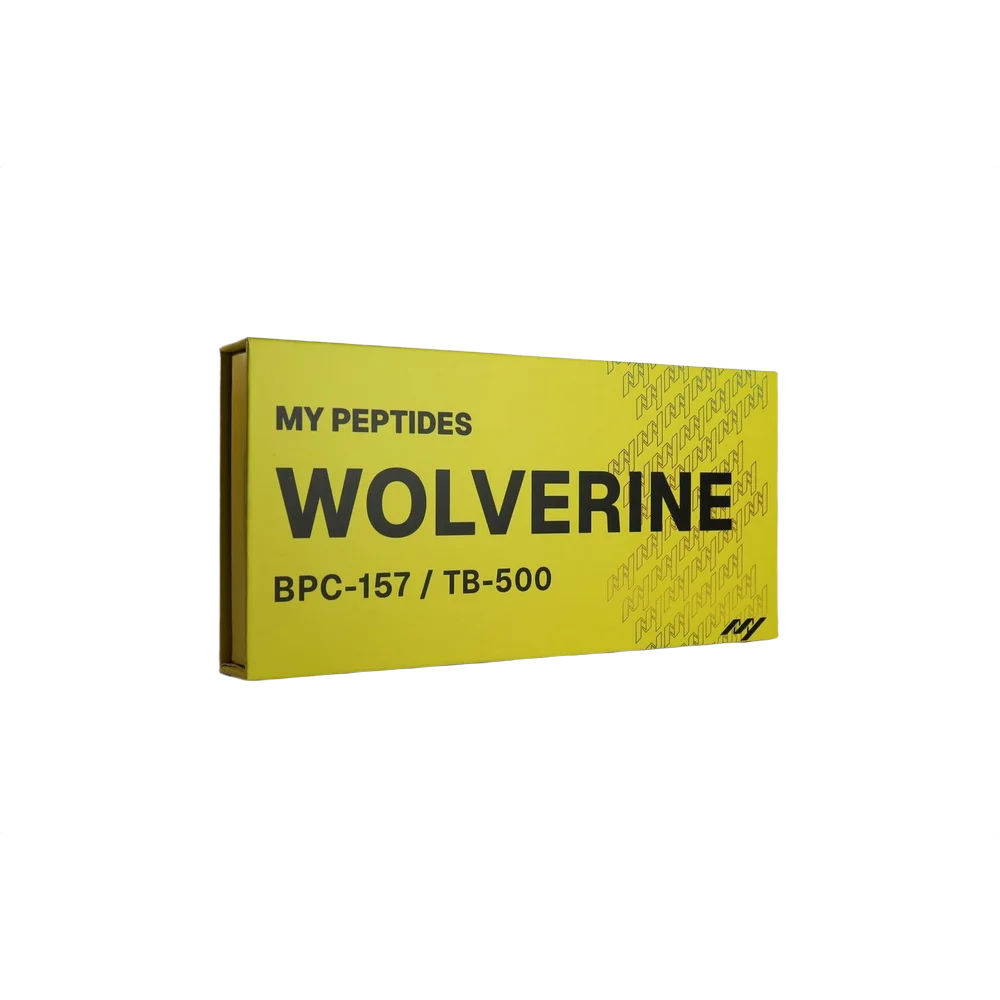
Wolverine Stack (BPC-157 and TB-500)
Our Wolverine Stack combines BPC-157 (10mg) and TB-500 (10mg) in a single 20mg vial, offering two of the most widely researched peptides in
£102.00Order treatment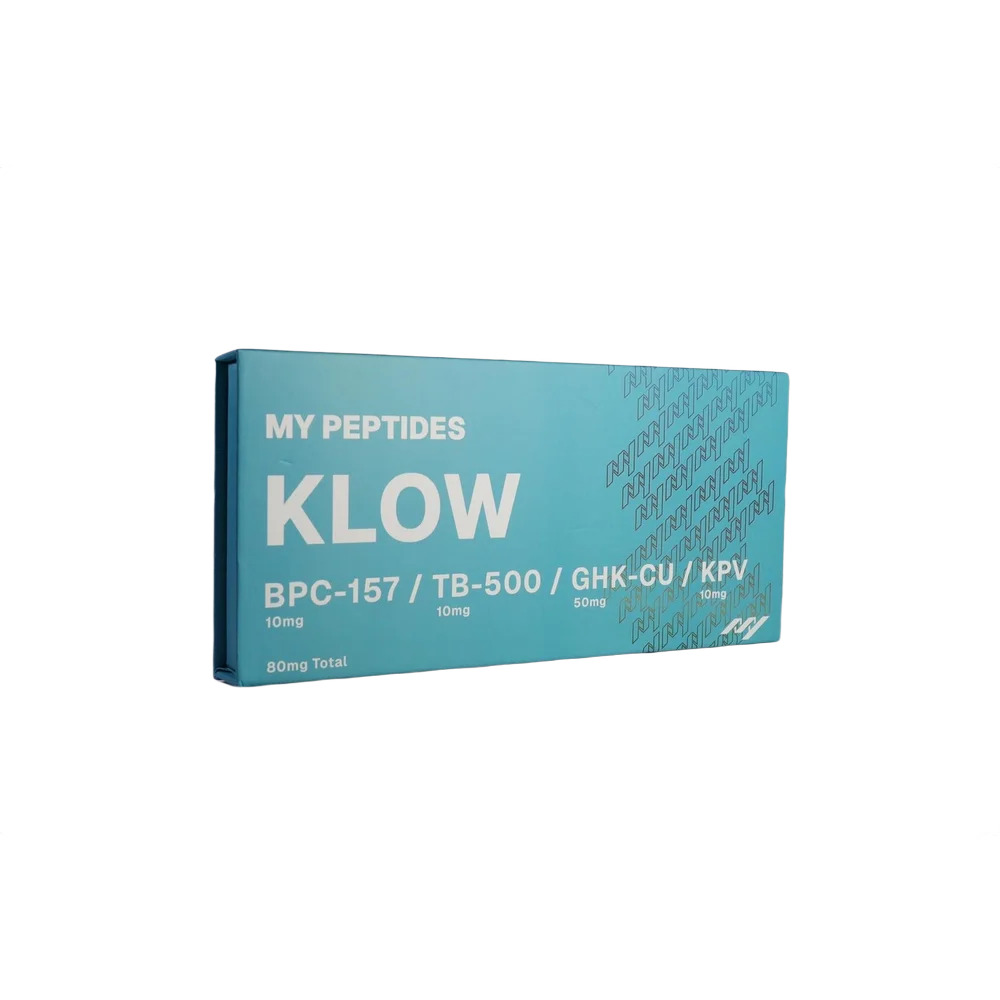
Klow Stack (GHK-CU, KPV, BPC-157, and TB-500)
Our Klow Stack combines GHK-Cu (50mg), KPV (10mg), BPC-157 (10mg), and TB-500 (10mg) in a single 80mg vial, uniting four of the most promine
£145.00Order treatment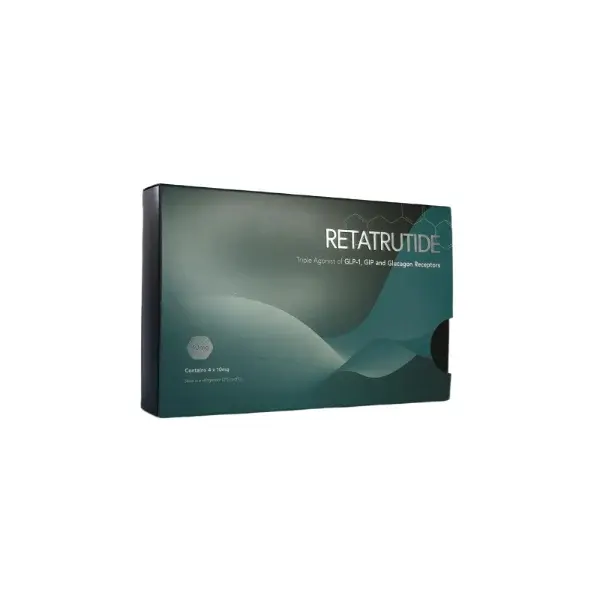
Retatrutide 10mg Weight Loss Vials
Retatrutide 10mg Weight Loss Vials for effective weight management Helps reduce body weight and improve overall health Convenient and easy t
£180.00Order treatment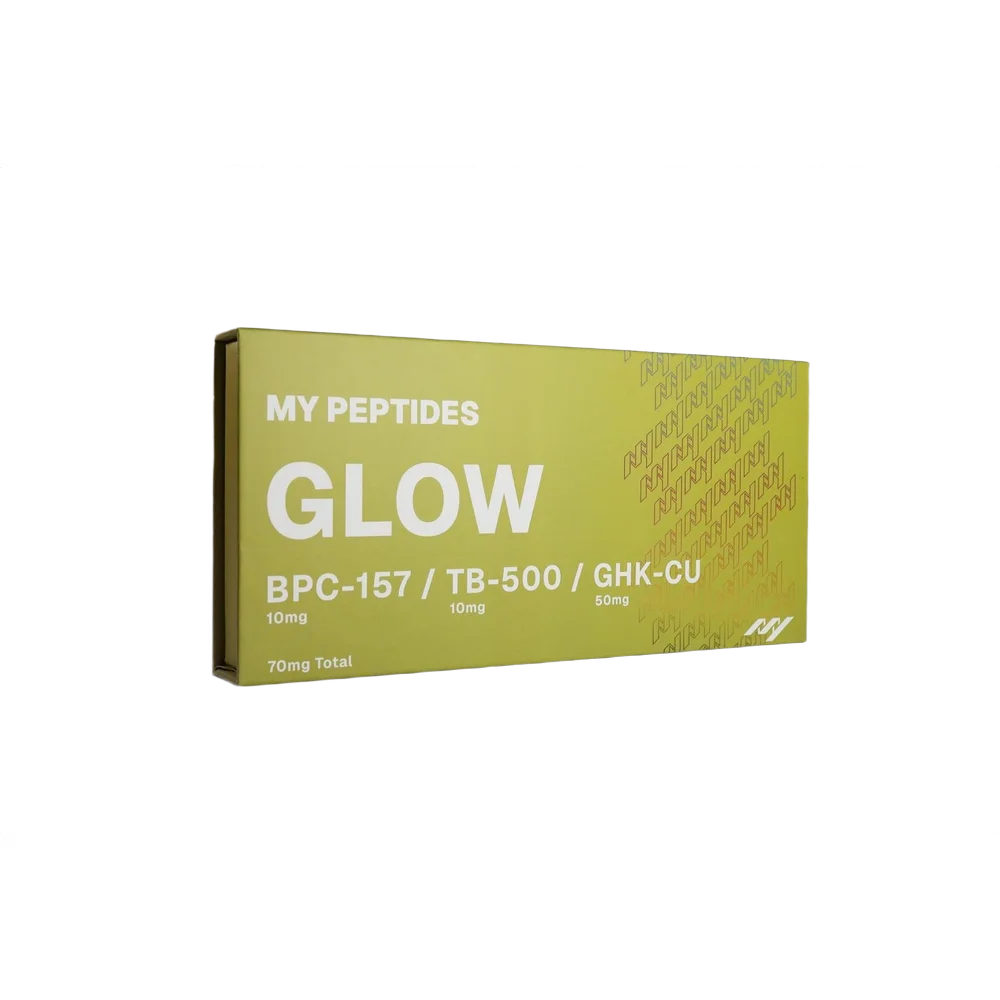
Glow Stack (BPC-157, TB-500, and GHK-CU)
Our Glow Stack combines BPC-157 (10mg), TB-500 (10mg), and GHK-Cu (50mg) in a single 70mg vial, bringing together three of the most sought-a
£125.00Order treatment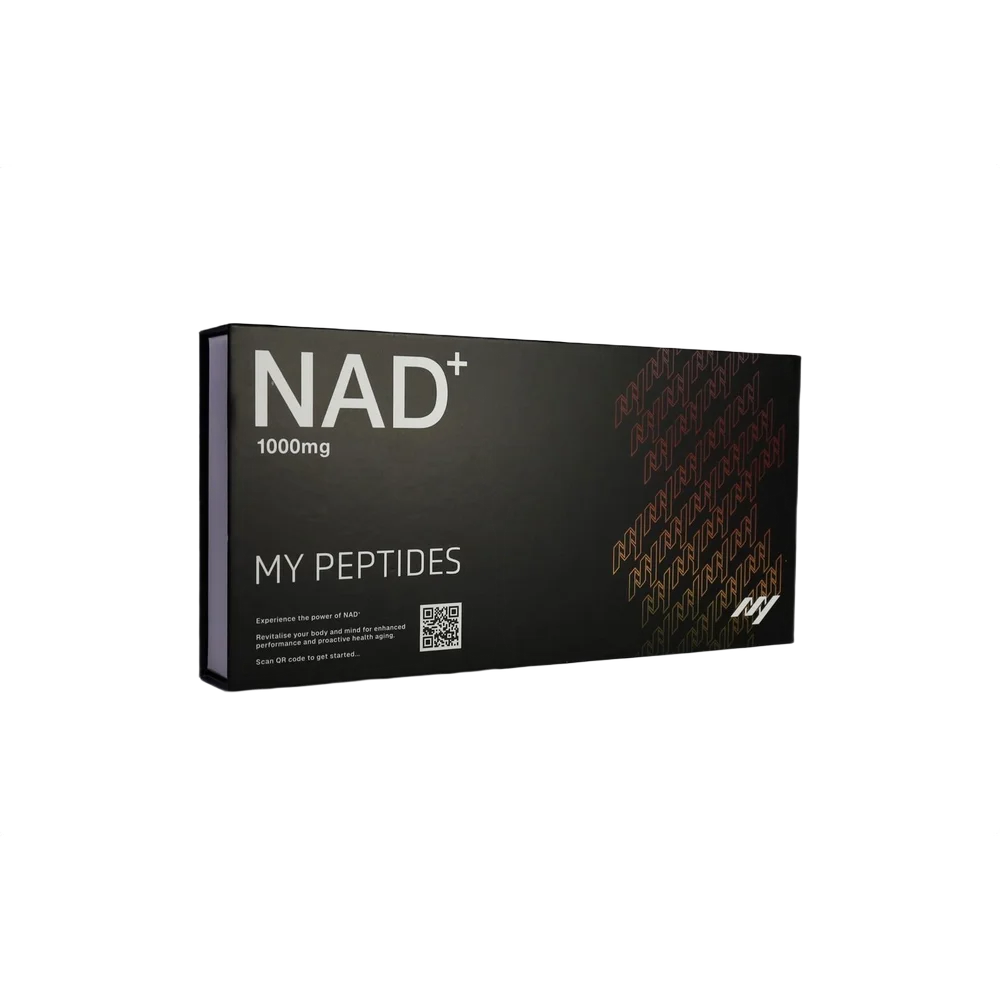
NAD+ Kit
Our easy-to-use NAD+ kits deliver this essential coenzyme directly and reliably, ensuring high efficiency and consistent absorption with eve
£235.00Order treatmentTreatments listed here are offered subject to online consultation. GPhC-registered pharmacy.
References
- Anabolic steroids: misuse – NHSnhs.uk
- Semaglutide (Ozempic) – BNF guidancebnf.nice.org.uk
- NICE guidance on obesity: identification, assessment and managementnice.org.uk
Frequently asked questions
Are peptides steroids? What is the actual scientific difference?
No, peptides are not steroids. Peptides are short chains of amino acids, while steroids are fat-soluble molecules built from a four-ring carbon structure. They work through entirely different biological pathways and have distinct chemical identities. Confusing the two is a bit like mixing up a bicycle and a motorbike because both have wheels.
Are peptides classified as steroids by UK law?
No, UK law does not classify peptides as steroids. Anabolic steroids are controlled under the Misuse of Drugs Act 1971 as Class C substances, whereas most research peptides sit in a separate regulatory category. That said, some peptides with established medical uses, such as insulin or certain growth hormone-releasing peptides, may be prescription-only medicines under the Human Medicines Regulations 2012.
Can UK doctors prescribe peptides, and what do NHS guidelines say?
Yes, UK doctors can and do prescribe certain peptides. Insulin is the most obvious example, and semaglutide (Ozempic) is a peptide-based medicine now widely discussed in NHS circles for type 2 diabetes and weight management. However, the NHS does not endorse peptides for bodybuilding or performance enhancement, and a GP is unlikely to prescribe them for those purposes.
Will peptides show up on a standard drug test?
It depends on the peptide and the test. Standard workplace drug tests typically screen for common controlled substances like cannabis, opiates, and cocaine, and most peptides would not trigger a positive result on these. However, anti-doping tests used in sport, such as those run by UKAD, are far more sophisticated and can detect specific peptides including growth hormone-releasing peptides and IGF-1 analogues.
Are peptides safer than anabolic steroids for muscle building?
Generally speaking, peptides carry a different and often less severe side effect profile than anabolic steroids. Steroids are well-documented to suppress natural testosterone production, affect cholesterol levels, and cause liver strain. Peptides, particularly those that stimulate the body’s own hormone production, tend to have a more targeted action. However, ‘safer’ does not mean ‘safe’, and daily peptide use without medical supervision carries real risks that should not be dismissed.
What are the main health risks of taking peptides daily without medical supervision?
Daily unsupervised peptide use can carry risks including hormonal imbalance, injection site reactions, water retention, and potential effects on blood glucose levels depending on the peptide type. Some peptides influence growth hormone and IGF-1 levels, which, if chronically elevated, have been associated with cellular proliferation concerns in research settings. Without proper testing and monitoring, it is impossible to know how your body is responding.
Is it illegal to buy or possess peptides in the UK?
The legality of buying and possessing peptides in the UK depends on the specific compound. Many research peptides exist in a grey area: they are not controlled substances under the Misuse of Drugs Act, but they may not be licensed for human use either. Selling peptides for human consumption without a medicines licence is illegal, but possession of many peptides for personal research is not currently a criminal offence. Always check the specific legal status of any compound before purchasing.