
Research Peptides UK: What You Need to Know Before You Buy
Before you spend a single penny on research peptides UK suppliers have on offer, it is worth pausing to ask one simple question: do you actually know what you are buying? The market has grown quickly, the compounds are increasingly sophisticated, and the quality gap between a reputable supplier and a questionable one is enormous. This guide is here to help you make sense of it all, calmly and clearly.
What Are Research Peptides and How Are They Used in the UK?
Research peptides are short chains of amino acids, synthesised in a laboratory setting, that are used to study biological processes at a cellular and molecular level. They are not medicines. They are not supplements. And they are not intended for human consumption. That distinction matters enormously, both legally and practically.
In the UK, research peptides are used by scientists, academic institutions, and independent researchers to investigate how specific peptide sequences interact with receptors, hormones, and physiological systems. According to published research in peer-reviewed literature, peptides represent one of the most active areas of biomedical investigation globally, owing to their specificity and relatively low molecular weight compared to larger protein therapeutics1.
The compounds you will find from UK suppliers typically fall into a few broad categories: growth hormone secretagogues (peptides that influence growth hormone release), tissue repair and recovery peptides studied in animal models, and metabolic peptides being investigated for their effects on appetite and energy regulation. Each has a distinct mechanism and a distinct research application. None of them should be confused with licensed pharmaceutical products.
Here is the thing: the science is genuinely fascinating. There is a reason researchers keep coming back to peptides as a focus area. But fascinating science does not automatically translate into safe or appropriate use outside a controlled laboratory environment. Keep that in mind throughout.
How to Identify Legitimate, Third-Party Tested Research Peptides in the UK

This is where most buyers run into trouble. The research peptides UK market includes some excellent suppliers and, frankly, some that are a bit dodgy. Knowing the difference before you commit is essential.
The single most important thing to look for is third-party testing documentation. Any supplier worth their salt will provide a batch-specific certificate of analysis (CoA) from an independent, accredited laboratory. Not an in-house test. Not a generic purity claim. A real document, tied to a specific batch number, showing the results of analytical testing.
Here are the key markers of a trustworthy UK research peptide supplier:
- Batch-specific HPLC certificates of analysis available for every product listed.
- Mass spectrometry (MS) data confirming the molecular identity of the compound.
- A verifiable UK business address and registered company details.
- Clear, unambiguous labelling stating the compound is for research use only.
- Temperature-controlled storage and cold-chain delivery options.
- No medical claims whatsoever on product pages or marketing materials.
Red flags? A supplier who cannot produce a CoA on request. Prices that seem suspiciously low compared to the market. Vague descriptions that hint at human use. Any of these should give you pause.
I remember speaking to a researcher colleague who had ordered from an overseas supplier to save a bit of money. The compound arrived at room temperature, with no documentation, and a purity figure that turned out to be wildly optimistic when they had it independently tested. Proper poorly experience, all told. The lesson: cost savings are not worth compromised research integrity.
Anyway, the point is that due diligence here is not optional. It is the foundation of any credible research programme.
HPLC Verification and Certificate of Analysis: What They Mean for Peptide Quality

HPLC, or High-Performance Liquid Chromatography, is the gold standard analytical method for measuring the purity of a synthesised peptide3. The technique works by passing a dissolved sample through a column under high pressure, separating its components based on their chemical properties. The output is a chromatogram, a graph showing peaks that correspond to different compounds present in the sample.
For research peptides, a clean HPLC result means the dominant peak belongs to the target compound, with minimal impurity peaks alongside it. A purity of 98% or above is generally considered acceptable for serious research applications. Some suppliers offer 99%+ purity for particularly sensitive studies.
But HPLC alone only tells you about purity. It does not confirm that the compound is actually what the label says it is. That is where mass spectrometry comes in. MS analysis confirms the molecular weight of the compound, providing a secondary layer of identity verification. Together, HPLC and MS give you a much more complete picture.
What should a proper certificate of analysis include? Here is a quick reference:
| Test Type | What It Measures | Why It Matters |
|---|---|---|
| HPLC | Purity percentage | Confirms minimal impurities in the sample |
| Mass Spectrometry (MS) | Molecular weight and identity | Confirms the compound is what it claims to be |
| Amino Acid Analysis | Sequence confirmation | Validates the peptide sequence is correct |
| Water Content (Karl Fischer) | Moisture levels | Affects weight accuracy and stability |
Not every supplier provides all four. But HPLC and MS together are the minimum you should expect. If a supplier cannot provide both, that is a meaningful gap in their quality assurance process.
The Most Popular Research Peptides Available in the UK Market
The research peptides UK market has expanded considerably over the past few years. Certain compounds have become particularly prominent in research circles, each with its own area of scientific interest.
Rather than making any claims about what these compounds do in humans (which would be inappropriate given their research-only status), here is a brief overview of the areas they are typically studied in:
- BPC-157: A synthetic peptide derived from a sequence found in gastric juice. Studied in laboratory models for its effects on tissue and cellular processes.
- TB-500: A synthetic analogue of Thymosin Beta-4. Research focuses on cellular migration and recovery mechanisms in animal models.
- CJC-1295: A growth hormone releasing hormone (GHRH) analogue. Studied for its effects on growth hormone secretion in research settings.
- Ipamorelin: A growth hormone secretagogue peptide. Investigated for selectivity in growth hormone release without significant effects on other hormones in research models.
- MT-2 (Melanotan II): A synthetic analogue of alpha-melanocyte stimulating hormone. Research has examined its effects on melanin production and related pathways.
- Tirzepatide and Retatrutide: Newer dual and triple receptor agonist peptides being studied intensively in metabolic research contexts.
Each of these compounds represents an active area of scientific inquiry. But it is crucial to repeat: these are research tools, not treatments. The research is ongoing, and outcomes observed in laboratory or animal studies do not automatically translate to human use.
The value of a research peptide lies entirely in the rigour of the science surrounding it, and the quality of the compound itself. One without the other is meaningless.
Legal Status of Research Peptides in the UK: NHS Approval and Regulatory Framework
Let us be direct about this, because there is a lot of confusion online. Research peptides in the UK are not licensed medicines. They have not been approved by the Medicines and Healthcare products Regulatory Agency (MHRA) for human use. They are not prescribed by NHS doctors. And they cannot legally be marketed or sold for human consumption2.
What they can be, legally, is sold for laboratory and research purposes. This is the framework under which reputable UK suppliers operate. The compounds are legal to buy and sell in this context, provided they are not being promoted for human use and are not scheduled substances under the Misuse of Drugs Act 1971.
It is worth noting that some peptides do have licensed pharmaceutical equivalents. Semaglutide, for example, exists as a licensed medicine (Ozempic, Wegovy) that is prescribed through proper clinical channels. Research peptide analogues of such compounds are a different matter entirely and should not be treated as substitutes for licensed medications.
The regulatory picture can feel a bit murky, and that is understandable. But the core principle is clear: research use only means exactly that. Any supplier or website suggesting otherwise is operating outside appropriate boundaries.
Peptide Storage, Reconstitution, and Handling Best Practices

Even the highest-purity research peptide is only as good as the conditions it is kept in. Improper storage is one of the most common ways that peptide integrity is compromised, and it is entirely avoidable with the right approach.
Most research peptides are supplied in lyophilised (freeze-dried) form. In this state, they are relatively stable but still sensitive to heat, light, and moisture. Here are the core storage principles:
- Store lyophilised peptides at minus 20 degrees Celsius in a dedicated laboratory freezer, away from light.
- Avoid repeated freeze-thaw cycles, which degrade peptide structure over time.
- Keep peptides in their original sealed vials until ready for use.
- Use bacteriostatic water or sterile water for injection (as appropriate to your research protocol) for reconstitution.
- Once reconstituted, store at 4 degrees Celsius and use within the timeframe specified by your supplier, typically 2 to 4 weeks.
- Label all reconstituted vials clearly with the compound name, concentration, date of reconstitution, and expiry.
Reconstitution technique matters too. Add the solvent slowly, allowing it to run down the side of the vial rather than directly onto the lyophilised powder. Swirl gently rather than shaking vigorously, as mechanical agitation can disrupt peptide structure. Seriously, this is one of those things that sounds minor but genuinely affects the quality of what you are working with.
Comparing UK Research Peptide Suppliers: Quality Standards and Certifications
Not all research peptides UK suppliers operate to the same standard. The market ranges from well-established companies with rigorous quality systems to newer entrants whose processes are less transparent. Here is a framework for comparing suppliers objectively:
| Quality Factor | What to Look For | Red Flag |
|---|---|---|
| Third-party testing | Batch-specific CoA from accredited lab | In-house testing only, or no CoA available |
| Purity levels | 98%+ HPLC purity stated per batch | Vague purity claims without documentation |
| Storage and delivery | Cold-chain shipping, temperature monitoring | Standard postal delivery with no temperature control |
| Regulatory compliance | Clear research-use-only labelling | Implied or explicit claims about human use |
| Transparency | Verifiable UK business registration | No physical address, offshore registration |
| Customer support | Knowledgeable team, technical documentation available | No contact details or generic automated responses |
The best suppliers treat quality assurance as a non-negotiable, not an afterthought. They invest in proper analytical testing because they understand that the integrity of your research depends on the integrity of the compounds you use. That is spot on, as far as priorities go.
But I digress. The broader point is that supplier selection is a research decision in itself. Treat it with the same rigour you would apply to any other methodological choice.
This content is for informational purposes only and does not constitute medical advice. Always consult a qualified healthcare professional before starting any new supplement, herbal remedy, or treatment plan. Do not use this information to diagnose or treat any health condition without professional guidance.
Related treatments from UK Peptides
Regulated UK pharmacy. Prescription required where applicable.
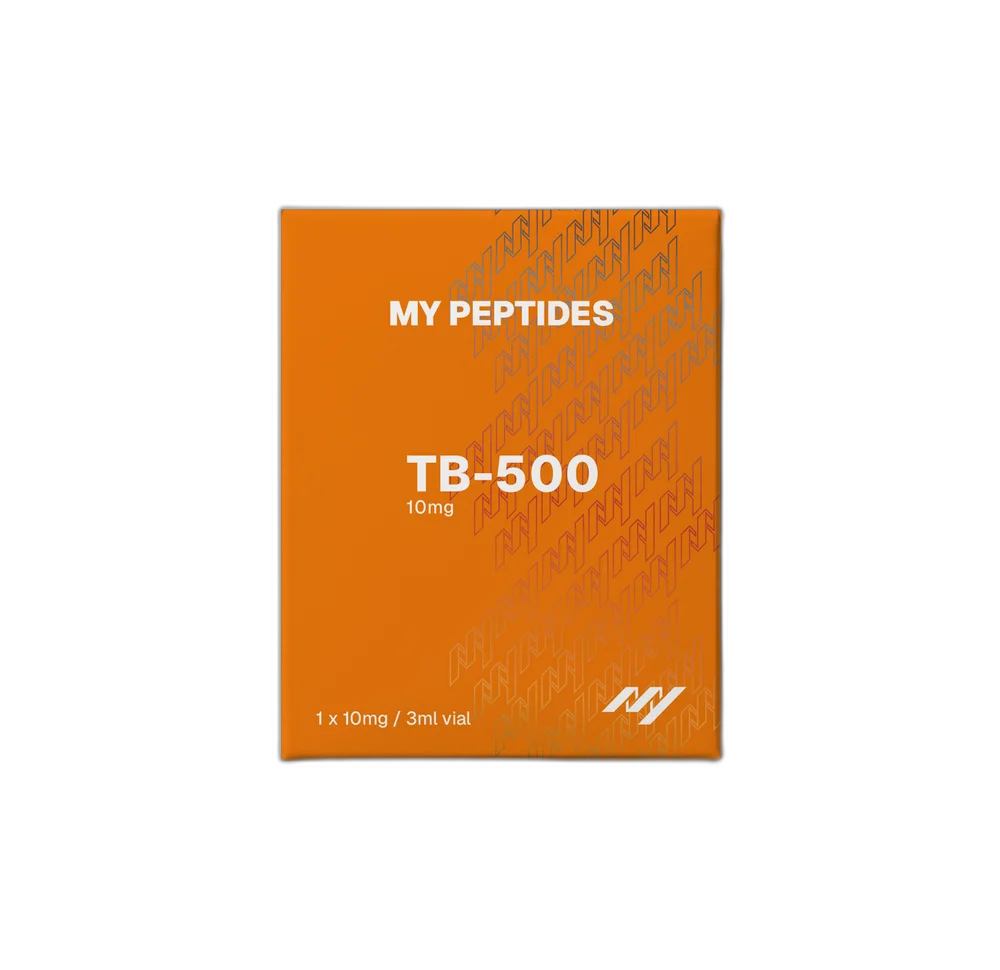
TB-500
Research-grade peptide for laboratory use only. Sold strictly for research and not for human or animal consumption.
£110.00Order treatment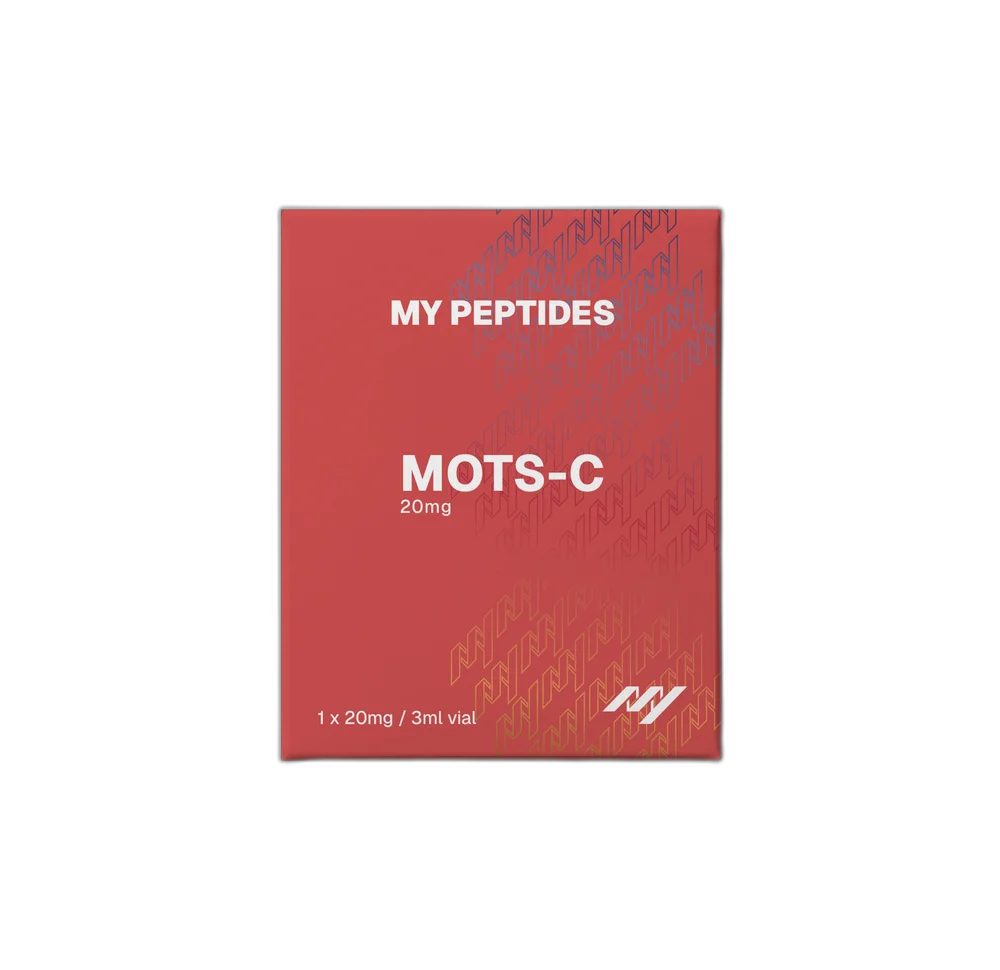
MOTS-C
Research-grade peptide for laboratory use only. Sold strictly for research and not for human or animal consumption.
£110.00Order treatment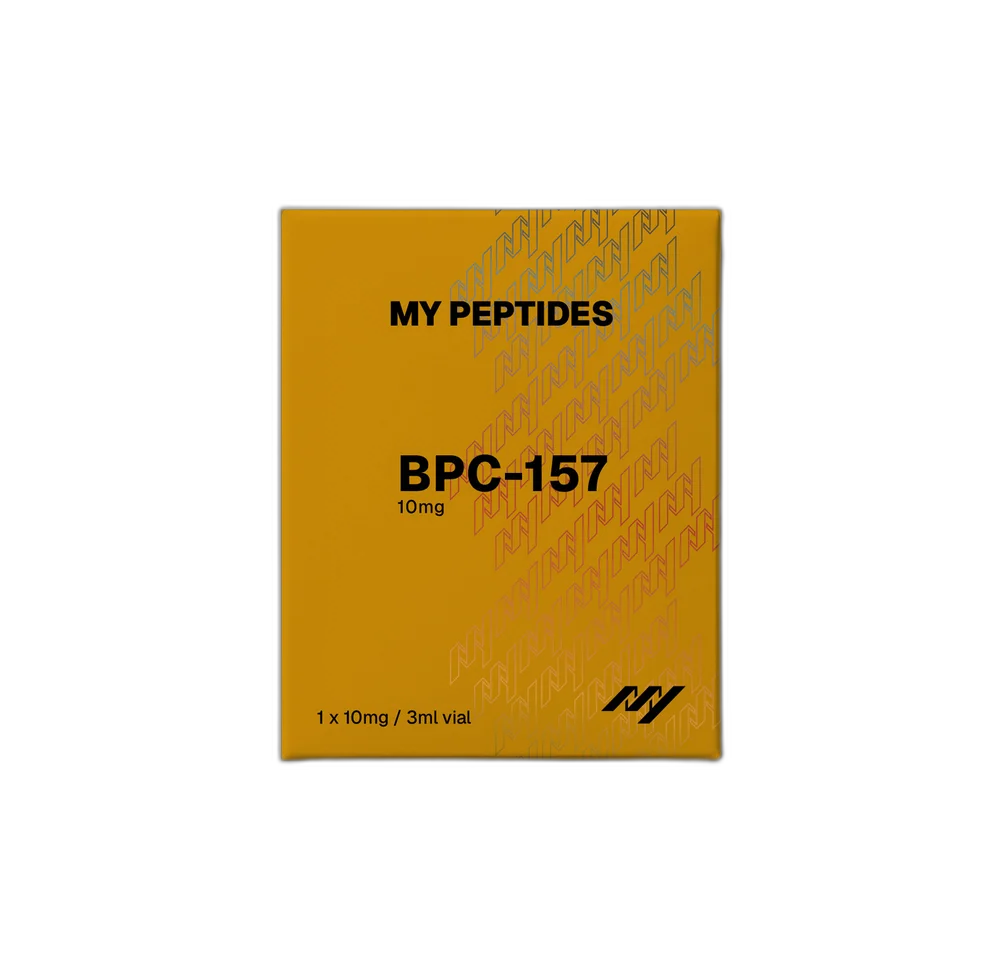
BPC-157
Research-grade peptide for laboratory use only. Sold strictly for research and not for human or animal consumption.
£110.00Order treatment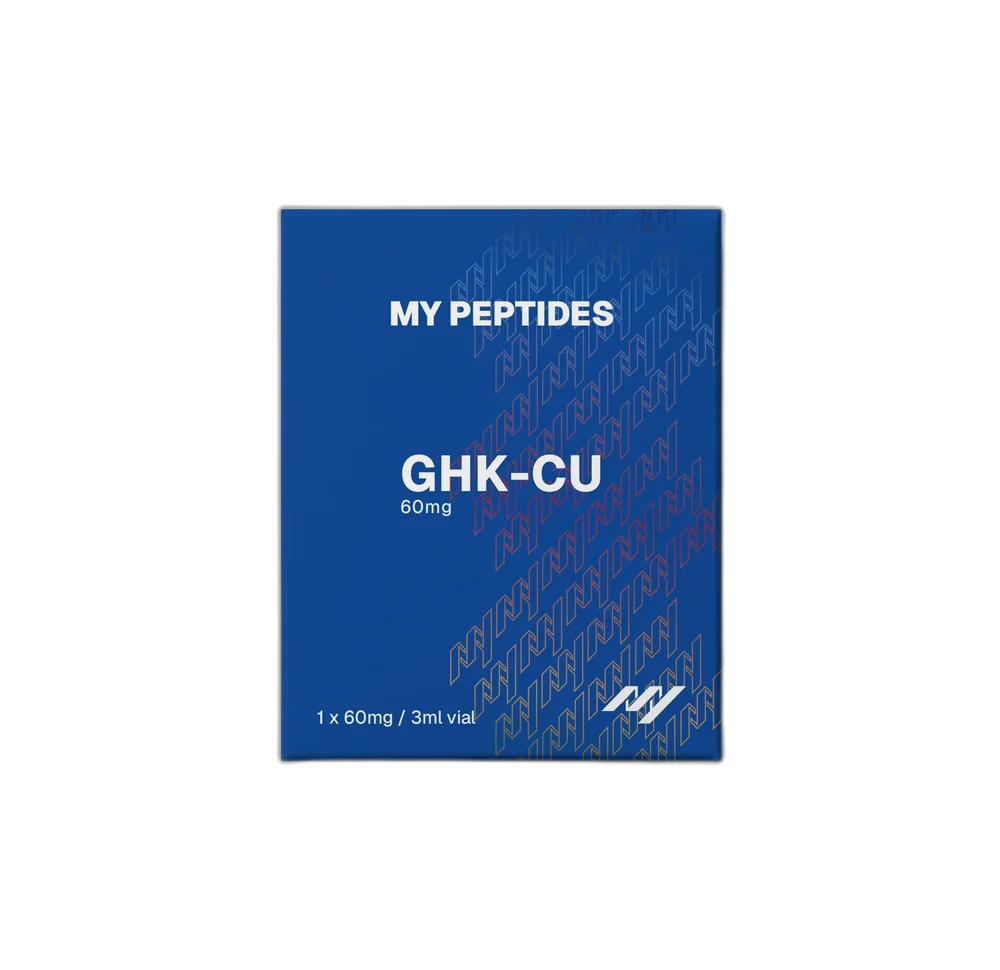
GHK-CU
Research-grade peptide for laboratory use only. Sold strictly for research and not for human or animal consumption.
£110.00Order treatment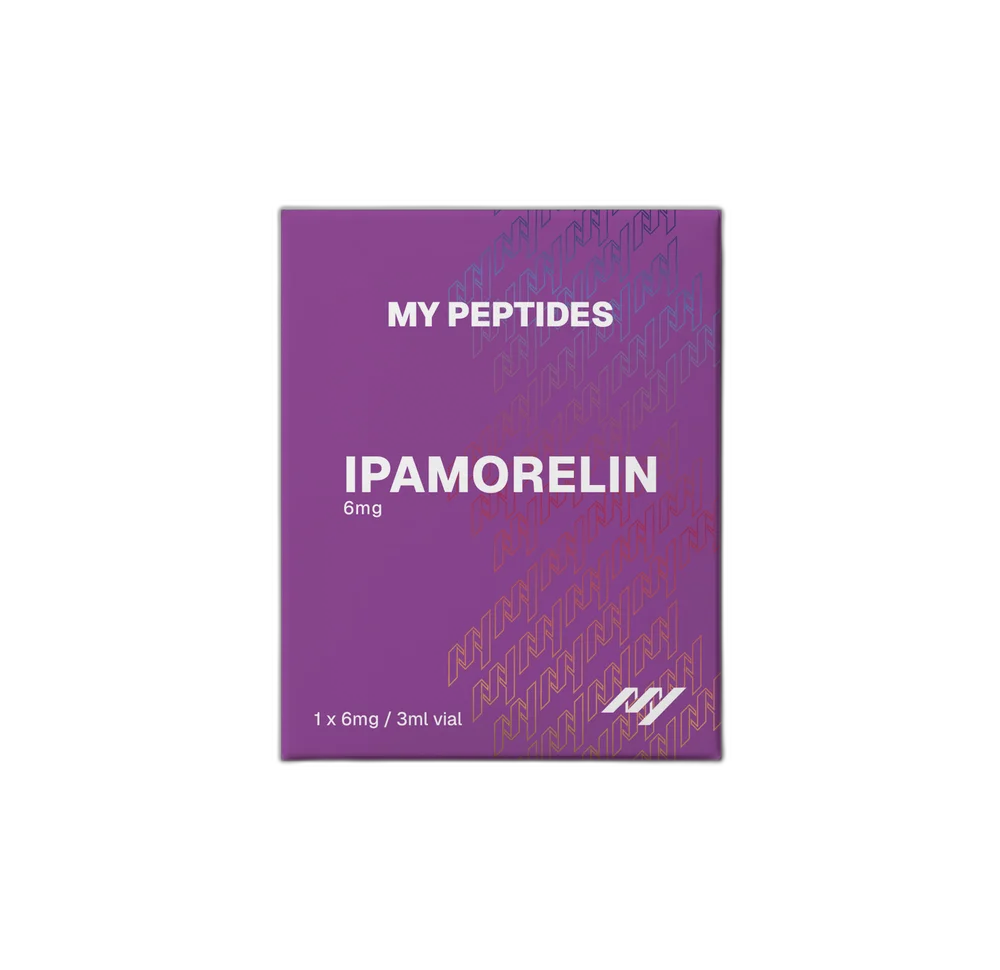
IPAMORELIN
Research-grade peptide for laboratory use only. Sold strictly for research and not for human or animal consumption.
£110.00Order treatment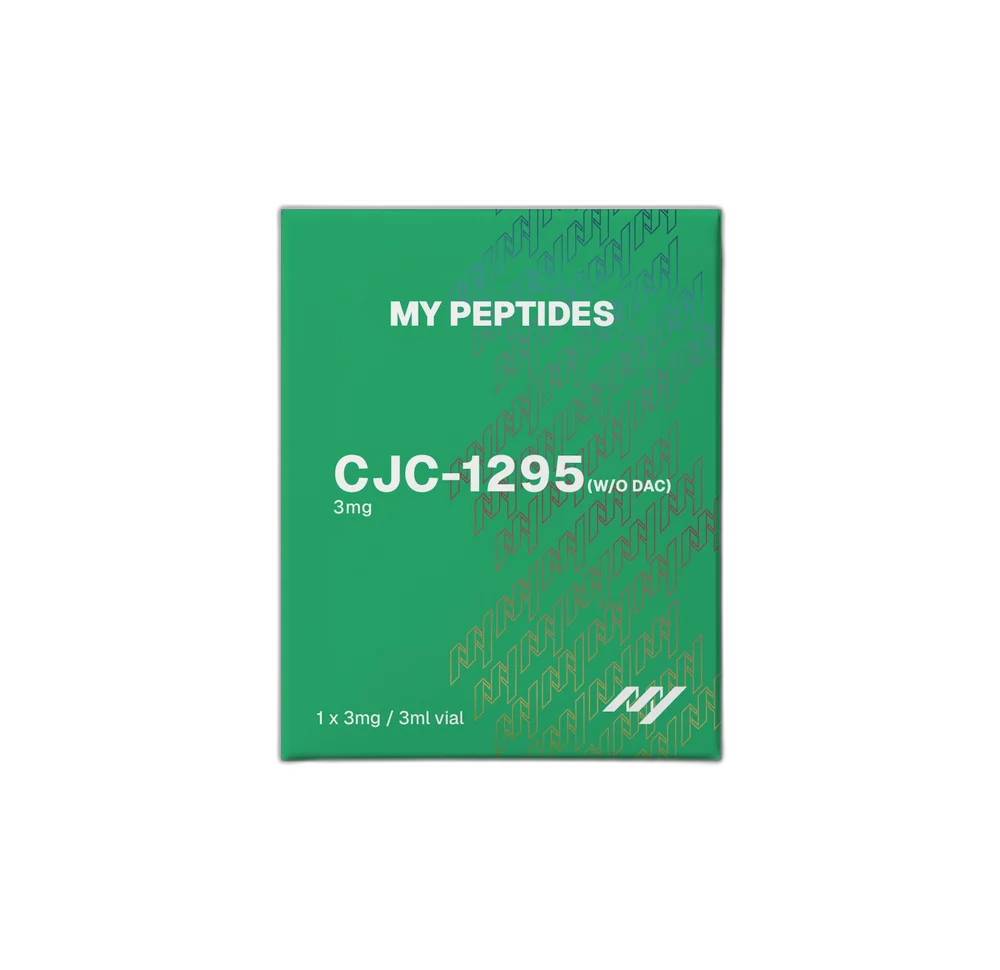
CJC-1295
Research-grade peptide for laboratory use only. Sold strictly for research and not for human or animal consumption.
£110.00Order treatmentTreatments listed here are offered subject to online consultation. GPhC-registered pharmacy.
References
- Peptides and proteins as therapeutic agentsncbi.nlm.nih.gov
- Medicines and the law: what you need to knownhs.uk
- High performance liquid chromatography in pharmaceutical analysispubmed.ncbi.nlm.nih.gov
Frequently asked questions
What is the legal status of research peptides UK suppliers operate under?
Research peptides in the UK occupy a specific regulatory space. They are legal to buy and sell for laboratory and research purposes, but they are not licensed medicines and cannot be marketed for human use or consumption. Reputable UK suppliers clearly state this distinction on every product listing, and any supplier who does not is operating outside appropriate boundaries.
How can I verify that a UK research peptide supplier is legitimate and trustworthy?
Look for suppliers who publish third-party HPLC certificates of analysis for every batch, have a verifiable UK business address, and are transparent about their storage and handling processes. Avoid any supplier who cannot provide batch-specific testing documentation or who makes medical claims about their products. A legitimate supplier will never suggest their compounds are suitable for human use.
What does HPLC verification mean and why is it important for research peptides?
HPLC stands for High-Performance Liquid Chromatography, an analytical technique used to measure the purity of a compound. For research peptides UK buyers should look for HPLC results showing 98% or higher purity, as lower-grade compounds can compromise research integrity and introduce unknown variables into any study. Mass spectrometry alongside HPLC provides an additional layer of identity confirmation.
How should research peptides be stored and reconstituted to maintain their integrity?
Most lyophilised research peptides should be stored at minus 20 degrees Celsius before reconstitution, away from light and moisture. Once reconstituted with an appropriate solvent such as bacteriostatic water, they are typically stable for two to four weeks at 4 degrees Celsius. Always follow the specific guidance provided by your supplier and handle peptides in a clean, controlled environment to avoid contamination.
Are research peptides approved by the NHS or prescribed by UK doctors?
No. Research peptides available through UK suppliers are not NHS-approved medicines and are not prescribed by UK doctors for clinical use. They are sold exclusively for laboratory research purposes. If you have a health concern, always speak to a qualified GP or specialist rather than seeking out research compounds as an alternative to proper medical care.
What are the differences between popular UK research peptides like BPC-157, TB-500, and CJC-1295?
BPC-157 is a synthetic peptide studied in laboratory models for its effects on tissue and cellular processes. TB-500 is a synthetic analogue of Thymosin Beta-4, researched for cellular migration and recovery mechanisms in animal models. CJC-1295 is a growth hormone releasing hormone analogue studied for its effects on growth hormone secretion in research settings. Each has a distinct mechanism and area of scientific investigation, and none are approved for human use.
What certifications should I look for when buying research peptides in the UK?
Prioritise suppliers who provide batch-specific HPLC certificates of analysis from accredited third-party laboratories. Mass spectrometry verification alongside HPLC adds a further layer of confidence in compound identity. A reputable supplier will also clearly state purity percentages, molecular weight, and recommended storage conditions on each certificate, and will make this documentation readily available before purchase.