


What are the negatives of taking peptides? Side Effects, Risks, and Safety Explained
What are the negatives of taking peptides? It is a question that sits somewhere between the breathless enthusiasm of biohacking communities and the flat dismissals of people who have never looked beyond the headlines. The honest answer is more textured than either camp tends to admit. Peptides are not magic, and they are not poison. But they do carry real risks, some well-documented and others frustratingly under-researched, and anyone considering their use deserves a clear-eyed look at both sides of the picture.
This article is not here to sell you on peptides or scare you away from them. It is here to give you the kind of grounded, practical overview that is genuinely hard to find online, where most content either reads like a promotional brochure or a tabloid warning. We will cover the known side effects, the organ-specific concerns, the hormonal implications, the drug interactions, and the groups of people who really should steer clear. Properly. Without the fluff.
Negative Side Effects of Peptides: What You Need to Know
What are the negatives of taking peptides at the most basic, day-to-day level? Start with the physical. The most commonly reported side effects are tied to the administration method itself. Most peptides used outside a clinical setting are administered by subcutaneous injection, and that means injection site reactions are almost universal among new users. Redness, mild swelling, bruising, and localised itching are par for the course, especially in the first few weeks.
Beyond the injection site, users frequently report:
- Water retention, particularly around the hands, feet, and face
- Tingling or numbness in the extremities, sometimes called “pins and needles”
- Fatigue or lethargy, especially early in a protocol
- Headaches and mild nausea, often linked to dose timing
- Disrupted sleep, which is somewhat ironic given that some peptides are marketed partly for sleep improvement
- Increased hunger, which can be a significant issue for anyone using peptides for body composition goals
These effects are often dose-dependent. Push the dose higher, and the side effects tend to scale with it. That is not a surprise, but it is worth stating clearly because online dosing advice is frequently far too aggressive.
Then there are the less common but more concerning effects. Some users report joint pain, particularly in the wrists and shoulders, linked to water retention around connective tissue. Others notice changes in blood pressure. A smaller number experience skin changes, including flushing or, in rare cases, hyperpigmentation with certain peptide classes.
Here is the thing: a lot of these side effects are manageable and temporary. But the problem is that most people using peptides outside a clinical setting are not being monitored. They are not getting blood tests. They are not adjusting doses based on biomarker data. They are going on forum advice, and that is where things can go sideways.
Organ Health Risks: Do Peptides Damage Your Kidneys and Liver?

This is where the conversation gets more serious. The kidney and liver concern is one of the most searched questions around peptide safety, and the honest answer is: we do not have enough long-term human data to give a fully reassuring response1.
The liver processes most compounds that enter the body, and peptides are no exception. Growth hormone secretagogues, for example, stimulate the liver to produce insulin-like growth factor 1 (IGF-1). Chronically elevated IGF-1 is associated with hepatic stress in some research contexts. Injectable peptides also bypass the digestive system, meaning the liver receives a more concentrated hit than it might from an orally administered compound.
For the kidneys, the concern is slightly different. Peptides increase the metabolic demands placed on the body. Higher growth hormone and IGF-1 levels increase protein synthesis and nitrogen retention, which in turn increases the kidneys’ filtration workload. For someone with healthy kidney function, this is likely manageable. For someone with subclinical kidney disease (and many people have this without knowing), it may tip the balance.
What the research does not yet show is a clear causal link between peptide use at research doses and permanent organ damage in otherwise healthy adults. But absence of evidence is not evidence of absence. The studies simply have not been done at the scale or duration needed to answer this definitively.
“We do not yet have the long-term human trial data to say with confidence what five or ten years of peptide use does to organ function. That uncertainty is itself one of the most significant negatives.”
The pancreas is another organ worth mentioning. Some peptides interact with insulin signalling pathways, and there are theoretical concerns about pancreatic stress with prolonged use, particularly in individuals who are already insulin resistant. This is an area that warrants more research and more caution than it currently receives in most online discussions.
Peptides vs Steroids vs Ozempic: Comparing the Safety Profiles

A lot of people searching for information on peptide risks are doing so because they are weighing up their options. So let us be direct about the comparisons. Understanding how peptides differ from steroids is genuinely important here, because the two are often conflated in public discourse.
| Compound Type | Primary Risk Profile | Long-Term Data | Regulatory Status (UK) |
|---|---|---|---|
| Anabolic Steroids | Hormonal suppression, cardiovascular strain, liver toxicity (oral), psychological effects | Extensive (decades of misuse data) | Class C controlled substances |
| Peptides | Injection site reactions, hormonal modulation, organ stress at high doses, limited long-term data | Limited (mostly short-term studies) | Unregulated for human use; some restricted |
| GLP-1 Agonists (e.g. semaglutide) | Nausea, vomiting, pancreatitis risk, thyroid concerns, rapid muscle loss with weight | Growing (licensed medicine with post-market surveillance) | Prescription-only licensed medicine |
Anabolic steroids carry a well-documented and often severe risk profile. Hormonal suppression, cardiovascular damage, liver toxicity from oral forms, and significant psychological effects including aggression and dependency. Peptides, by contrast, do not typically cause the same degree of endogenous hormone suppression. They work through different pathways, often stimulating the body’s own production rather than replacing it.
But that does not make peptides the safe option by default. The comparison with GLP-1 agonists like semaglutide (sold under brand names you will recognise) is interesting. Those compounds are licensed medicines, meaning they have gone through rigorous clinical trials3. Their side effects are documented, monitored, and reported. Peptides used outside a clinical context have none of that infrastructure. The risk is not necessarily higher, but the uncertainty is.
Anyway. The point is not to rank these compounds on a simplistic safety scale. It is to recognise that each carries its own risk-benefit profile, and that profile only makes sense in the context of an individual’s health, goals, and circumstances.
Hormonal Imbalances from Peptide Use: Long-Term Health Concerns
Do peptides affect testosterone levels and hormonal balance? Yes, they can, and this is one of the more nuanced areas of peptide risk that deserves proper attention.
Many commonly used peptides work by stimulating the release of growth hormone from the pituitary gland. Growth hormone does not operate in isolation. It sits within a complex hormonal network that includes IGF-1, cortisol, insulin, thyroid hormones, and sex hormones. Nudge one part of that system, and you can see ripple effects elsewhere.
Some of the hormonal concerns that have been raised in both research and user reports include:
- Elevated IGF-1: Chronically high IGF-1 is associated in some studies with increased cancer cell proliferation risk, particularly in hormone-sensitive tissues.
- Cortisol modulation: Some peptides appear to influence cortisol levels, which can affect immune function, sleep quality, and mood.
- Insulin sensitivity changes: Growth hormone is inherently insulin-antagonising. Chronically elevated growth hormone can reduce insulin sensitivity over time, potentially increasing the risk of type 2 diabetes in susceptible individuals.
- Thyroid function: Some users report changes in thyroid hormone levels, though whether this is a direct effect or a secondary consequence of broader metabolic changes is not fully established.
- Testosterone and oestrogen: Indirect effects on sex hormone levels are possible, particularly through changes in IGF-1 and cortisol that influence the hypothalamic-pituitary-gonadal axis.
I spoke to someone once, a friend of a friend who had been using growth hormone peptides for about eighteen months, who was convinced they were fine because they felt great. Then they got a routine blood panel done for an unrelated reason and their fasting glucose had crept up significantly. Their GP was baffled. It took a while to connect the dots. Anyway, that is anecdote, not data. But it illustrates why feeling good is not the same as being fine.
The long-term hormonal implications of sustained peptide use remain one of the biggest unanswered questions in this space. Most studies are short-term, small in scale, or conducted in clinical populations that may not reflect the typical recreational user.
Drug Interactions with Peptides: What Not to Combine
This section matters enormously and is consistently under-covered in online peptide content. What are the negatives of taking peptides when combined with other substances? The interaction risks are real and, in some cases, serious.
Here are the key categories of concern:
Insulin and Blood Glucose Medications
Peptides that influence growth hormone secretion can alter insulin sensitivity. If you are taking insulin, metformin, or other glucose-lowering agents, the combination may increase the risk of hypoglycaemia. This is not a theoretical concern; it is a practical one that requires careful monitoring and ideally medical supervision.
Thyroid Medications
Some peptides appear to influence thyroid hormone metabolism. If you are on levothyroxine or other thyroid treatments, peptide use could shift your thyroid hormone levels in unpredictable directions, potentially making your existing medication either too strong or too weak.
Corticosteroids
Corticosteroids (like prednisolone) already suppress the body’s natural cortisol production. Combining them with peptides that also modulate cortisol pathways adds complexity and potential for disruption. This combination should only happen under direct medical oversight.
Sex Hormone Therapies
People on testosterone replacement therapy or hormone replacement therapy should be aware that growth hormone-stimulating peptides may alter the hormonal environment in ways that interact with their existing treatment. Dose adjustments may be needed, and regular monitoring becomes even more important.
Anticoagulants
There is limited but emerging evidence that some peptides may influence platelet function or coagulation pathways. If you are on blood thinners like warfarin, this is a combination that needs medical review before starting.
You can read more about what research peptides actually are before buying to understand why the lack of standardised labelling makes interaction risks even harder to predict.
Dependency and Dosing: How Long Should You Stay on Peptides?
Is it safe to take peptides every day, and how long is safe? This is one of those questions where the honest answer is: nobody really knows, and that uncertainty is itself a negative.
Receptor desensitisation is a genuine concern with continuous peptide use. The body’s receptors for growth hormone-releasing peptides can become less responsive over time, meaning the same dose produces a diminishing effect. This pushes some users to increase their dose, which increases side effect risk, which is a pattern that should sound familiar from other contexts.
Most practitioners who work with peptides in a clinical or research context recommend cycling protocols, typically periods of use followed by breaks. Common approaches include five days on, two days off, or longer cycles of several months followed by a full break. But these recommendations are based on clinical experience and theoretical reasoning rather than robust long-term trial data.
The dependency question is slightly different from physical addiction in the traditional sense. Peptides are not typically associated with the kind of psychological dependency seen with opioids or stimulants. But functional dependency, where the body relies on exogenous stimulation to maintain hormone levels it has stopped producing efficiently on its own, is a real possibility with prolonged use. This is particularly relevant for growth hormone secretagogues used over years rather than months.
Who Shouldn’t Take Peptides? Medical Contraindications Explained

Some people should not use peptides. Full stop. This is not scaremongering; it is basic risk stratification. The NHS provides clear guidance on the importance of understanding treatment suitability before starting any new compound2, and peptides are no exception.
The groups with the clearest contraindications include:
- People with active cancer or a history of hormone-sensitive tumours: Growth hormone and IGF-1 can promote cell proliferation. This is not a risk to take lightly.
- Pregnant or breastfeeding women: There is no safety data for peptide use in pregnancy. The precautionary principle applies absolutely here.
- People with severe kidney or liver disease: The metabolic burden of peptide use on already-compromised organs is not acceptable.
- Individuals with uncontrolled diabetes: The insulin-antagonising effects of growth hormone peptides make blood sugar management significantly more complex.
- Young people with developing endocrine systems: Adolescents and young adults whose hormonal systems are still maturing should not use growth hormone-influencing compounds outside a strictly supervised clinical context.
- People with a history of pituitary tumours: Stimulating the pituitary gland in someone with a history of pituitary pathology is a clear contraindication.
- Those with acromegaly or gigantism: Conditions characterised by excess growth hormone make any further stimulation of that pathway dangerous.
Beyond these absolute contraindications, there are relative ones. Older adults, people with cardiovascular disease, and those with autoimmune conditions should approach peptide use with significant caution and ideally only within a supervised protocol. For more on sourcing and quality considerations that affect safety, see our guide on buying research peptides in the UK.
Regulatory Status and Legal Issues: Why Are Peptides Being Restricted?
The regulatory picture around peptides is genuinely complicated, and getting more so. In the UK, many peptides exist in a grey area. They are not licensed medicines, meaning they have not been approved for human use by the MHRA. They are not controlled substances under the Misuse of Drugs Act in most cases. But they are also not freely available consumer products in the way that vitamins or protein powders are.
This ambiguity creates practical problems. Products sold as research chemicals may vary significantly in purity, concentration, and even identity. Without pharmaceutical-grade manufacturing standards and independent testing, you cannot be fully certain that what is on the label matches what is in the vial. That is a safety concern that sits entirely separately from the pharmacological risks of the peptides themselves.
Internationally, the picture is shifting. Some peptides that were previously widely available have been placed under tighter restrictions in Australia, the United States, and parts of Europe. The World Anti-Doping Agency (WADA) prohibits a range of peptides in competitive sport. The direction of travel for regulation is generally towards greater restriction, not less.
This matters for users because it affects supply chain reliability, product quality, and the legal context of possession and use. It is worth staying informed about the current status of specific compounds in your jurisdiction before making any decisions.
This content is for informational purposes only and does not constitute medical advice. Always consult a qualified healthcare professional before starting any new supplement, herbal remedy, or treatment plan. Do not use this information to diagnose or treat any health condition without professional guidance.
Related treatments from UK Peptides
Regulated UK pharmacy. Prescription required where applicable.

Wolverine Stack (BPC-157 and TB-500)
Our Wolverine Stack combines BPC-157 (10mg) and TB-500 (10mg) in a single 20mg vial, offering two of the most widely researched peptides in
£102.00Order treatment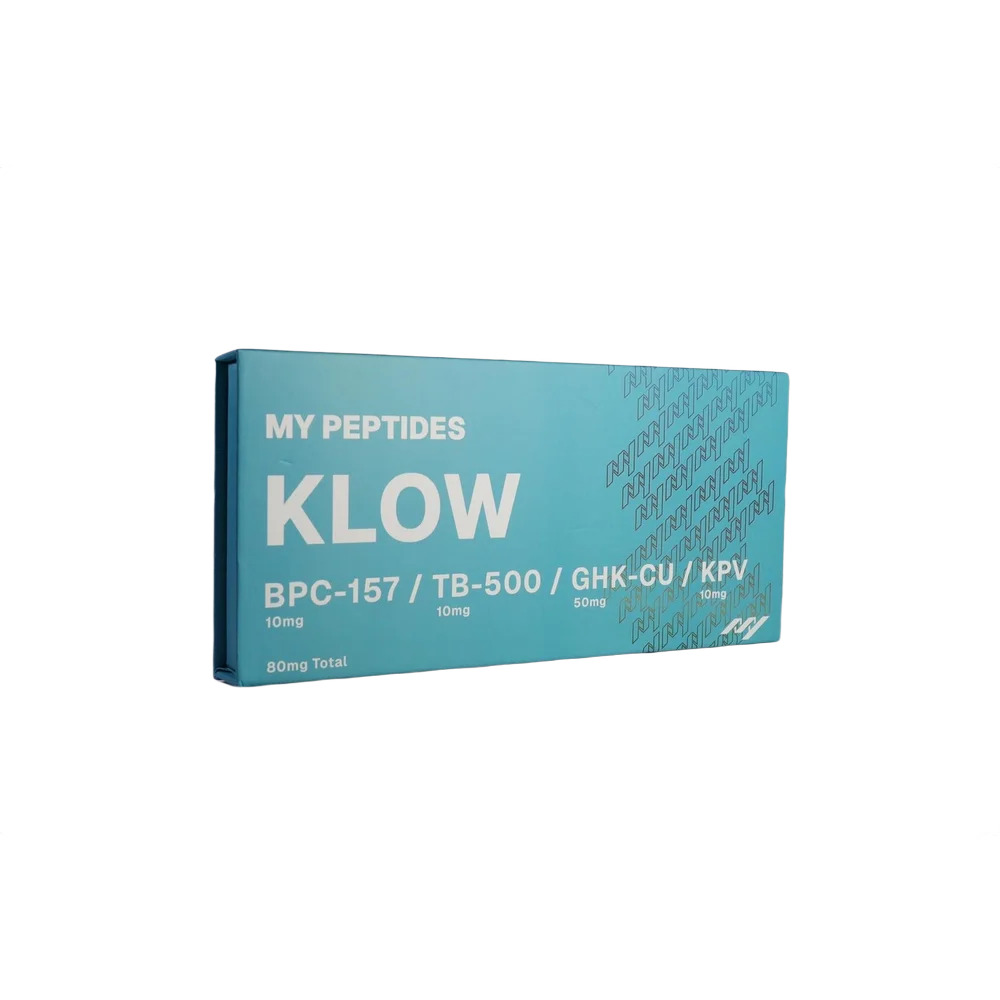
Klow Stack (GHK-CU, KPV, BPC-157, and TB-500)
Our Klow Stack combines GHK-Cu (50mg), KPV (10mg), BPC-157 (10mg), and TB-500 (10mg) in a single 80mg vial, uniting four of the most promine
£145.00Order treatment
Retatrutide 10mg Weight Loss Vials
Retatrutide 10mg Weight Loss Vials for effective weight management Helps reduce body weight and improve overall health Convenient and easy t
£180.00Order treatment
Glow Stack (BPC-157, TB-500, and GHK-CU)
Our Glow Stack combines BPC-157 (10mg), TB-500 (10mg), and GHK-Cu (50mg) in a single 70mg vial, bringing together three of the most sought-a
£125.00Order treatment
NAD+ Kit
Our easy-to-use NAD+ kits deliver this essential coenzyme directly and reliably, ensuring high efficiency and consistent absorption with eve
£235.00Order treatmentTreatments listed here are offered subject to online consultation. GPhC-registered pharmacy.
References
Frequently asked questions
What are the negatives of taking peptides in terms of common side effects?
The most commonly reported negatives include injection site reactions such as redness, swelling, and bruising, along with water retention, fatigue, and tingling sensations. Some users also experience nausea, headaches, and disrupted sleep patterns, particularly when starting a new protocol. These effects are often dose-dependent and may ease as the body adjusts, but they should not be dismissed without monitoring.
Can peptides cause permanent damage to your kidneys or liver?
Current evidence does not conclusively show that peptides cause permanent kidney or liver damage in healthy individuals using them at research-appropriate doses. However, prolonged use, high doses, or combining multiple peptides may place additional metabolic stress on these organs. Anyone with pre-existing kidney or liver conditions should treat peptide use with extreme caution and seek medical guidance before starting.
Are peptides safer than steroids or Ozempic for weight loss and performance?
Peptides generally carry a different and often less severe risk profile than anabolic steroids, which are associated with significant hormonal suppression and cardiovascular risks. Compared to GLP-1 agonists like semaglutide, the safety data for peptides is far less established because large-scale clinical trials are lacking. Calling any of these options categorically safer than another is an oversimplification that ignores individual health context.
What are the negatives of taking peptides when combined with other medications?
Peptides can interact with insulin and other blood glucose-lowering agents, increasing the risk of hypoglycaemia. Some peptides that influence growth hormone may also interfere with thyroid medications, corticosteroids, and sex hormone therapies. It is essential to disclose all medications and supplements to a healthcare professional before beginning any peptide protocol.
Who should avoid peptides entirely for health reasons?
Individuals with active cancers or a history of hormone-sensitive tumours should avoid peptides that stimulate growth hormone, as these may promote cell proliferation. Pregnant or breastfeeding women, people with severe kidney or liver disease, and those with uncontrolled diabetes are also in high-risk categories. Young people whose endocrine systems are still developing should not use peptides outside a strictly supervised clinical context.
Is it safe to take peptides every day, and how long is safe to use them?
Daily use of peptides is common in various protocols, but long-term daily administration beyond several months remains poorly studied in humans. Most research protocols include cycling strategies, where use is paused periodically to allow the body to reset and to reduce the risk of receptor desensitisation or hormonal disruption. There is no universally agreed safe duration, which is itself one of the key negatives of taking peptides compared to licensed medicines.
Do peptides affect testosterone levels and hormonal balance?
Certain peptides, particularly those that stimulate growth hormone secretion, can indirectly influence testosterone and other hormones by altering the broader endocrine environment. Some users report changes in cortisol, insulin sensitivity, and even thyroid function during extended peptide use. These effects are not always predictable and vary considerably between individuals, making regular hormonal monitoring advisable for anyone using peptides over the medium to long term.