

Where Is the Safest Place to Buy Peptides? A Practical UK Buyer’s Guide
Where is the safest place to buy peptides? It’s a question more people are asking, and rightly so. With a growing number of online sellers, varying wildly in quality and accountability, knowing who to trust genuinely matters. This guide cuts through the noise so you can make an informed, confident decision.
It’s easy to feel overwhelmed when you start researching peptide suppliers. One seller promises the lowest prices on the internet. Another has a slick website but no contact details. A third has hundreds of five-star comments on a forum you’ve never heard of. The truth is, not all peptide suppliers are equal, and the differences between a reliable source and a risky one can have real consequences for your safety and your wallet.
So let’s work through this properly, step by step.
Where Is the Safest Place to Buy Peptides Online?
The short answer: a domestic UK supplier with independently verified laboratory testing, a registered business address, and transparent documentation. But that answer deserves unpacking.
Where is the safest place to buy peptides? The answer depends on several overlapping factors: the supplier’s location, their testing standards, their legal accountability, and their communication practices. No single factor tells the whole story. You need to look at all of them together.
Domestic suppliers, based and registered in the UK, operate under UK consumer protection law. That matters. If something goes wrong, you have legal recourse. You can contact them by phone or post. You know where they are. Compare that to an overseas seller operating from a jurisdiction with little regulatory oversight, and the contrast is stark.
According to the NHS, buying medicines or regulated compounds online from unverified sources carries significant risks, including receiving counterfeit, contaminated, or mislabelled products1. While peptides sold for research purposes are not medicines in the licensed sense, the same principle applies: source matters enormously.
How to Identify Legitimate Peptide Suppliers

Legitimate peptide suppliers share a handful of consistent characteristics. Learn to spot them and you’ll filter out the vast majority of risky sellers very quickly.
Certificates of Analysis (CoA)
Every credible supplier provides a certificate of analysis for each product, ideally on a lot-specific basis. This document, produced by an independent third-party laboratory, confirms the purity and identity of the peptide. Look for purity figures above 98% and make sure the testing laboratory is named and independently verifiable. If you can’t find the lab’s own website or contact details, treat the CoA with scepticism.
HPLC and Mass Spectrometry Testing
High-performance liquid chromatography (HPLC) and mass spectrometry are the gold standard testing methods for peptide purity and identity. HPLC separates components within a sample to measure purity. Mass spectrometry confirms the molecular identity of the compound. Together, they give you a reliable picture of what’s actually in the vial. Any supplier worth their salt will reference both methods. If they only mention one, or neither, ask why.
Transparent Business Information
A trustworthy supplier has nothing to hide. Look for a physical UK address (not just a PO box), a working phone number or email, and a Companies House registration number. Check their website’s domain registration age too. A supplier who launched their site three weeks ago and is already selling dozens of compounds deserves extra scrutiny.
You can also read more about what to know before buying research peptides in the UK to build a fuller picture of what to expect from reputable domestic sellers.
Red Flags: Avoiding Unsafe Peptide Sellers

Knowing what to avoid is just as important as knowing what to look for. Here are the warning signs that should make you walk away.
- No certificate of analysis: If a seller can’t or won’t provide one, don’t buy from them. Full stop.
- Prices that seem impossibly low: Quality peptide synthesis and third-party testing cost money. Suspiciously cheap products often reflect corners being cut in production.
- Therapeutic or medical claims: Legitimate research peptide suppliers do not claim their products treat, cure, or prevent any condition. Sellers who make such claims are likely operating outside the law.
- Payment via cryptocurrency only: While crypto isn’t inherently suspicious, sellers who refuse card payments or bank transfers and insist on crypto-only transactions offer you no financial protection if things go wrong.
- No physical address or contact details: A seller who is unreachable before a purchase won’t be easier to reach if there’s a problem afterwards.
- Unverifiable or generic lab reports: Some sellers attach generic or fabricated CoAs. If the laboratory named on the document has no online presence, no accreditation listing, and no contact information, treat it as a red flag.
- Forum-only presence: Sellers who operate exclusively through bodybuilding forums or social media, with no independent website, are harder to hold accountable.
The WHO has highlighted that substandard and falsified products are a global problem, with contamination and mislabelling representing real risks to end users3. Peptides are not immune to this.
Regulatory Standards for Peptide Retailers
Here’s the thing: peptides sold for research purposes in the UK exist in a specific regulatory space. They are not licensed medicines. They cannot legally be sold for human consumption or with therapeutic claims. This means the kind of strict pharmaceutical licensing that governs prescription drugs doesn’t directly apply.
But that doesn’t mean anything goes. UK consumer law still applies. Trading Standards still applies. The Advertising Standards Authority still applies. And the MHRA (Medicines and Healthcare products Regulatory Agency) can and does act against sellers who make unauthorised medicinal claims about unregulated compounds.
Understanding this context helps you set realistic expectations. You’re looking for a supplier who operates within the research-use framework honestly, not one who tries to blur the lines by implying their products have therapeutic benefits they’re not licensed to claim. If you’re unsure about the legal distinctions, our guide on whether peptides are steroids covers the regulatory and legal landscape in more detail.
Accreditation and Certification for Peptide Vendors
What certifications should a legitimate peptide supplier have? This is one of the most common questions buyers ask, and the answer is more nuanced than a simple checklist.
There is no single UK government licence specifically for research peptide retailers (unlike, say, a pharmacy dispensing licence). So what you’re looking for instead is a combination of signals:
- ISO-accredited laboratory reports: The testing lab, not the supplier, should hold relevant accreditation. ISO/IEC 17025 is the international standard for testing and calibration laboratories. If the lab that produced the CoA holds this accreditation, that’s a strong positive signal.
- Registered UK business: A Companies House registration confirms the business is real and legally accountable.
- GDPR compliance: A proper privacy policy and GDPR-compliant data handling suggest the business takes its legal obligations seriously across the board.
- Secure payment processing: Look for SSL-encrypted checkout and payment processors you recognise (major card networks, established payment gateways). This protects your financial data and gives you chargeback rights if needed.
None of these individually guarantees a perfect supplier. But together, they paint a picture of a business that operates with accountability.
Laboratory Testing and Third-Party Verification
This is arguably the most important section of this entire guide. So pay attention.
The peptide market has a purity problem. Studies and independent testing exercises have repeatedly found that a significant proportion of peptides purchased from unverified sources contain less of the stated compound than advertised, or contain contaminants entirely. A 2023 independent testing project found purity levels in some commercially available research peptides falling well below 90%, despite supplier claims of 99%+ purity.
What tests should peptides undergo before purchase? At minimum:
- HPLC testing: Measures purity by separating the peptide from other compounds in the sample.
- Mass spectrometry: Confirms the molecular identity of the compound, verifying it is what the label claims.
- Sterility testing (where relevant): Particularly important for injectable-grade compounds, confirming the absence of bacterial contamination.
- Residual solvent testing: Checks for harmful solvents left over from the synthesis process.
A supplier who can provide lot-specific documentation for all of these is operating at the highest standard. Anything less requires you to make a judgement call about acceptable risk.
The certificate of analysis is your single most important document when buying research peptides. If a supplier can’t produce one, that’s your answer.
For a broader look at the research landscape and how to evaluate compounds, our complete UK buyer’s guide to research peptides for sale is worth reading alongside this article.
Comparing Domestic vs International Peptide Sources

Where is the safest place to buy peptides when you’re comparing UK suppliers against overseas options? Let’s look at this honestly.
| Factor | UK Domestic Supplier | International Supplier |
|---|---|---|
| Legal accountability | UK consumer law applies; clear recourse | Limited or no legal recourse for UK buyers |
| Customs risk | None (domestic shipping) | Real risk of seizure at border |
| Shipping time | 1-3 days typically | 1-6 weeks; delays common |
| Product integrity | Controlled UK storage and transit | Unknown storage conditions during long transit |
| Price | Moderate; reflects quality standards | Often cheaper upfront |
| Testing standards | Verifiable against UK lab accreditation | Harder to independently verify |
| Communication | UK business hours; English-speaking support | Time zone differences; language barriers possible |
Anyway. The table tells most of the story. International suppliers can look attractive on price, and some do operate to high standards. But the cumulative risk, from customs seizure to degraded product integrity during long transit, to limited legal recourse, makes them a harder choice to justify when domestic alternatives exist.
I’ll be honest: I’ve heard from people who ordered from overseas suppliers and received products that arrived warm, poorly packaged, with documentation that was clearly a template rather than a lot-specific report. Not every overseas purchase ends badly, but the risk profile is genuinely higher. But I digress.
Legal Considerations When Purchasing Peptides
Are there legal risks when buying peptides online? Yes, and it’s important to be clear-eyed about them.
In the UK, peptides sold for research purposes are not classified as controlled drugs under the Misuse of Drugs Act 1971 (with some specific exceptions). However, the legal picture is not static. Regulatory bodies periodically review the classification of novel compounds, and what is unregulated today may not be unregulated in two years.
Importing peptides from overseas also carries import duty and customs considerations. HMRC and Border Force have the authority to seize shipments they consider to be unlicensed medicines or substances of concern. You may not always receive a refund from your supplier in these circumstances.
The safest legal position is to buy from a UK-registered supplier who sells explicitly for research purposes, keeps up with regulatory developments, and doesn’t make unlawful therapeutic claims. If you’re researching specific compounds, it’s also worth understanding the potential negatives of taking peptides from a safety and risk perspective.
A Step-by-Step Verification Checklist for Buyers
Before you commit to any peptide purchase, run through this checklist. It takes ten minutes and could save you a lot of grief.
- Search the supplier’s business name on Companies House. Confirm they are a registered UK entity.
- Locate their physical address. Verify it is a real address, not just a registered office with no actual presence.
- Request or locate a certificate of analysis for the specific product and lot number you intend to buy.
- Identify the testing laboratory named on the CoA. Search for them independently and confirm they exist and hold relevant accreditation.
- Check that the supplier’s website makes no therapeutic, medicinal, or health claims about their products.
- Confirm they accept standard payment methods (debit/credit card, bank transfer) that give you financial protection.
- Look for a clear returns or complaints policy. A supplier confident in their product will have one.
- Check how long their domain has been registered (use a WHOIS lookup tool). Longer trading history is generally better.
Customer Reviews and Reputation Checks
Reviews can help, but they need context. A supplier with 500 positive reviews on their own website tells you very little. Look for independent evidence of reputation: mentions in academic or research communities, verifiable forum discussions where users have tested products independently, or references in peer-reviewed contexts.
Be wary of review patterns that look unnatural. Dozens of five-star reviews posted within a short time window, all using similar language, are a signal worth noticing. Genuine customer feedback tends to be varied, specific, and occasionally critical.
Word of mouth within established research communities, where participants have a professional stake in accuracy, tends to be more reliable than anonymous online reviews. If a supplier is well-regarded among people who test what they buy, that’s meaningful.
It’s also worth noting that NICE guidance emphasises the importance of evidence quality when evaluating health-related products and services2. The same principle applies here: look for verifiable evidence, not just volume of positive sentiment.
This content is for informational purposes only and does not constitute medical advice. Always consult a qualified healthcare professional before starting any new supplement, herbal remedy, or treatment plan. Do not use this information to diagnose or treat any health condition without professional guidance.
Related treatments from UK Peptides
Regulated UK pharmacy. Prescription required where applicable.
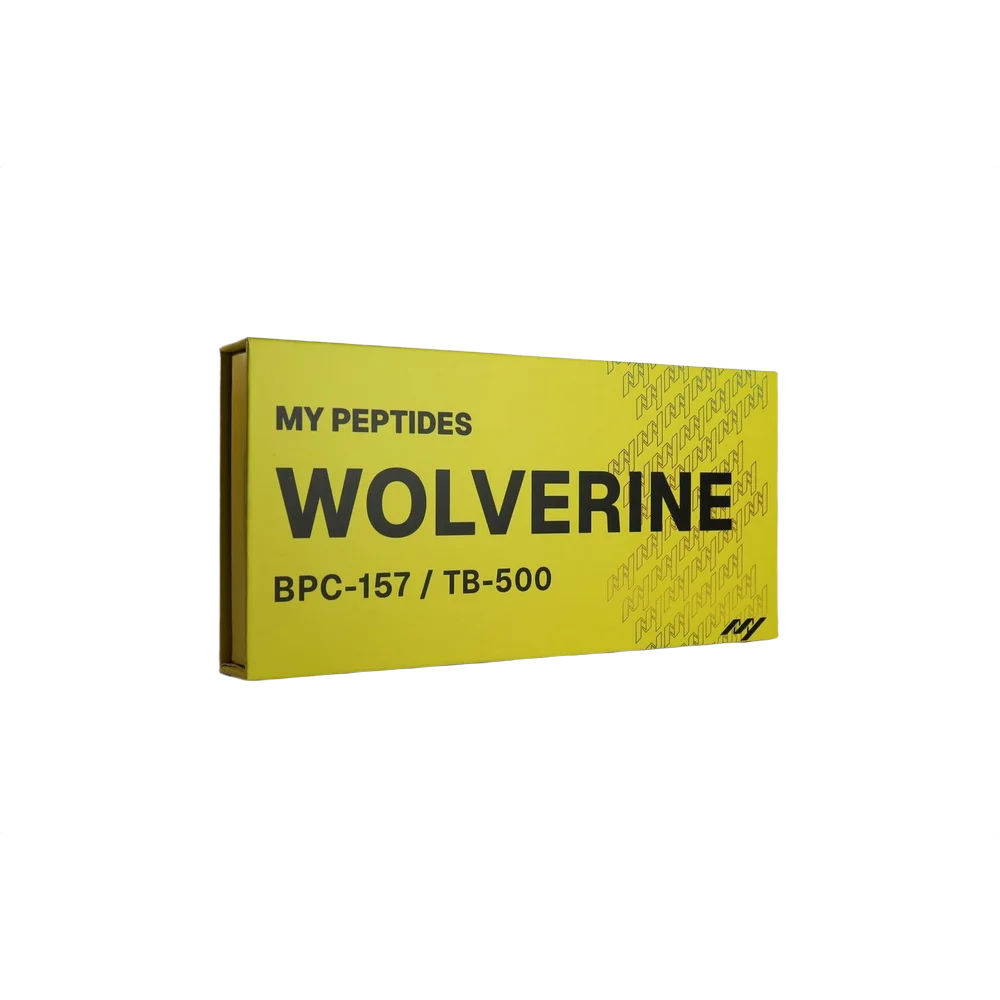
Wolverine Stack (BPC-157 and TB-500)
Our Wolverine Stack combines BPC-157 (10mg) and TB-500 (10mg) in a single 20mg vial, offering two of the most widely researched peptides in
£150.00Order treatment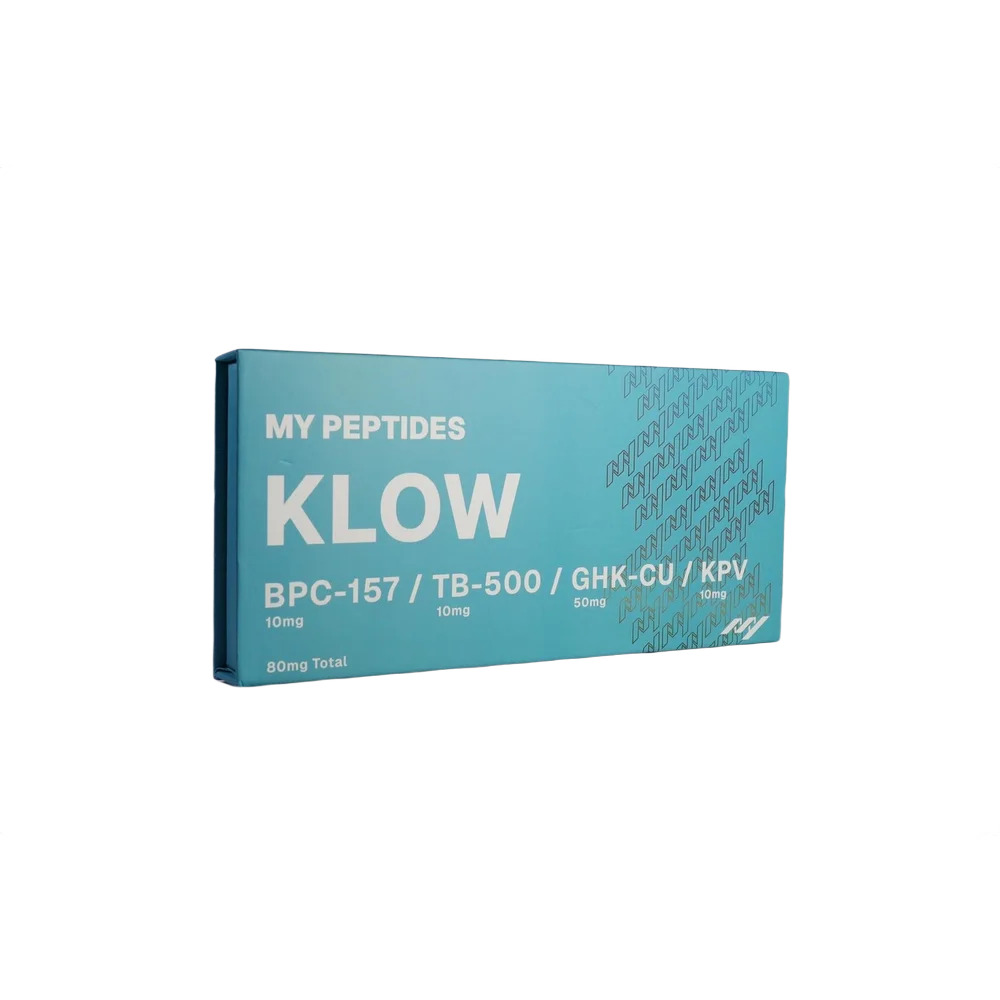
Klow Stack (GHK-CU, KPV, BPC-157, and TB-500)
Our Klow Stack combines GHK-Cu (50mg), KPV (10mg), BPC-157 (10mg), and TB-500 (10mg) in a single 80mg vial, uniting four of the most promine
£190.00Order treatment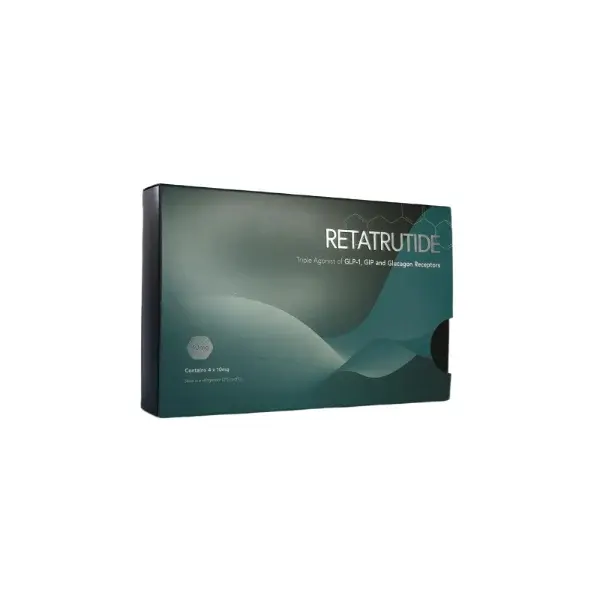
Retatrutide 10mg Weight Loss Vials
Retatrutide 10mg Weight Loss Vials for effective weight management Helps reduce body weight and improve overall health Convenient and easy t
£180.00Order treatment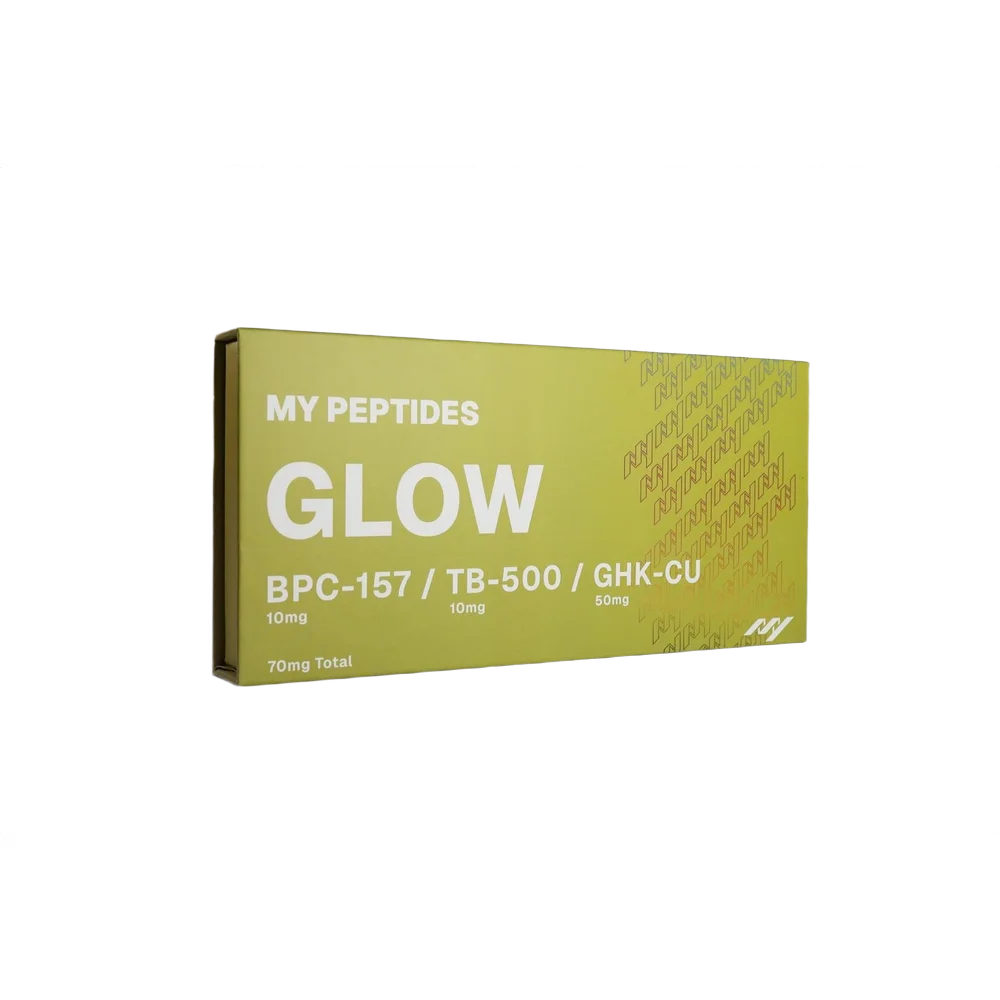
Glow Stack (BPC-157, TB-500, and GHK-CU)
Our Glow Stack combines BPC-157 (10mg), TB-500 (10mg), and GHK-Cu (50mg) in a single 70mg vial, bringing together three of the most sought-a
£175.00Order treatment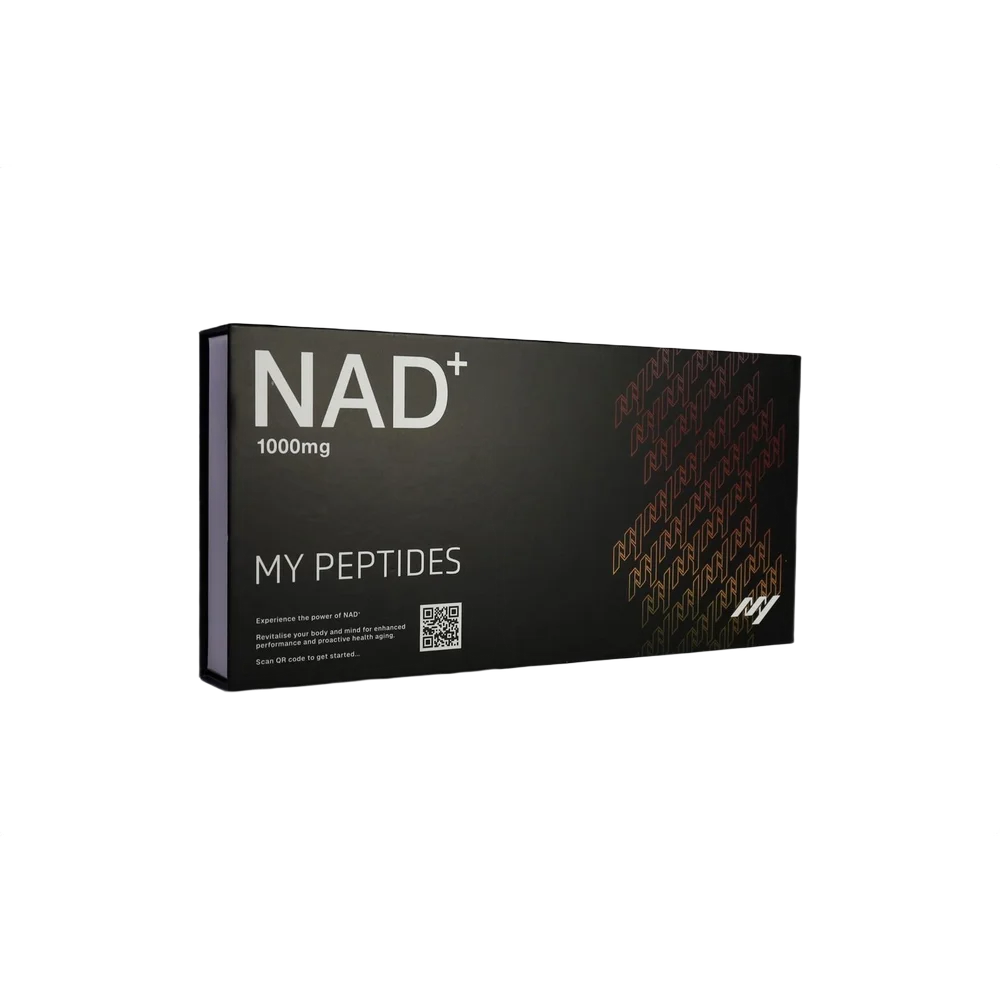
NAD+ Kit
Our easy-to-use NAD+ kits deliver this essential coenzyme directly and reliably, ensuring high efficiency and consistent absorption with eve
£295.00Order treatmentTreatments listed here are offered subject to online consultation. GPhC-registered pharmacy.
References
Frequently asked questions
Where is the safest place to buy peptides in the UK?
The safest place to buy peptides in the UK is from a domestic supplier that provides third-party laboratory certificates of analysis (CoA), uses HPLC and mass spectrometry testing, and operates transparently with clear contact details and a verifiable business address. Avoid sellers who make therapeutic claims or refuse to share test results. Domestic suppliers are subject to UK consumer protection law, which adds an important layer of accountability.
What certifications should a legitimate peptide supplier have?
A legitimate peptide supplier should provide independent certificates of analysis from accredited third-party laboratories, confirming purity levels typically above 98%. Look for evidence of HPLC and mass spectrometry testing, and check that the named laboratory holds ISO/IEC 17025 accreditation. No supplier can guarantee safety without documented, verifiable test data.
How can I verify if a peptide seller is properly regulated?
Check that the seller has a registered UK business address and a Companies House number, and that their laboratory reports come from named, independently verifiable testing facilities. Reputable sellers will not hesitate to share this information. Be cautious of sellers who only operate via social media or who cannot provide a physical contact address.
Are there legal risks when buying peptides online?
In the UK, peptides sold for research purposes occupy a specific legal space and are not classified as controlled drugs under the Misuse of Drugs Act 1971 in most cases. However, importing from overseas carries customs and import duty risks, and Border Force can seize shipments considered to be unlicensed medicines. Buying from a UK-registered domestic supplier minimises most of these legal risks.
How do I identify counterfeit or contaminated peptides?
Counterfeit or contaminated peptides often arrive without proper documentation, have unusually low prices, or come from sellers who cannot name their testing laboratory. Legitimate suppliers provide lot-specific certificates of analysis that you can cross-reference with the named lab. Physical signs such as unusual colouration or cloudiness in lyophilised powder can also indicate a problem worth investigating before use.
Where is the safest place to buy peptides: domestic or international suppliers?
Domestic UK suppliers offer stronger consumer protections, faster shipping, clearer legal accountability, and easier recourse if something goes wrong. International suppliers may appear cheaper upfront, but the risks around customs seizure, product integrity during long transit, and limited legal recourse make them a less safe option for most buyers. For peace of mind, a reputable domestic supplier is the better choice.