Cheapest Research Peptides: How to Find Quality Without Overpaying
Finding the cheapest research peptides without getting burned is genuinely possible, but only if you know what you’re looking at. The verdict? Price matters far less than purity data. A supplier charging 30% less than everyone else means nothing if they can’t show you a third-party certificate of analysis. Shop smart, verify first, and the savings are real.
What Are Research Peptides and Why Are They Popular?
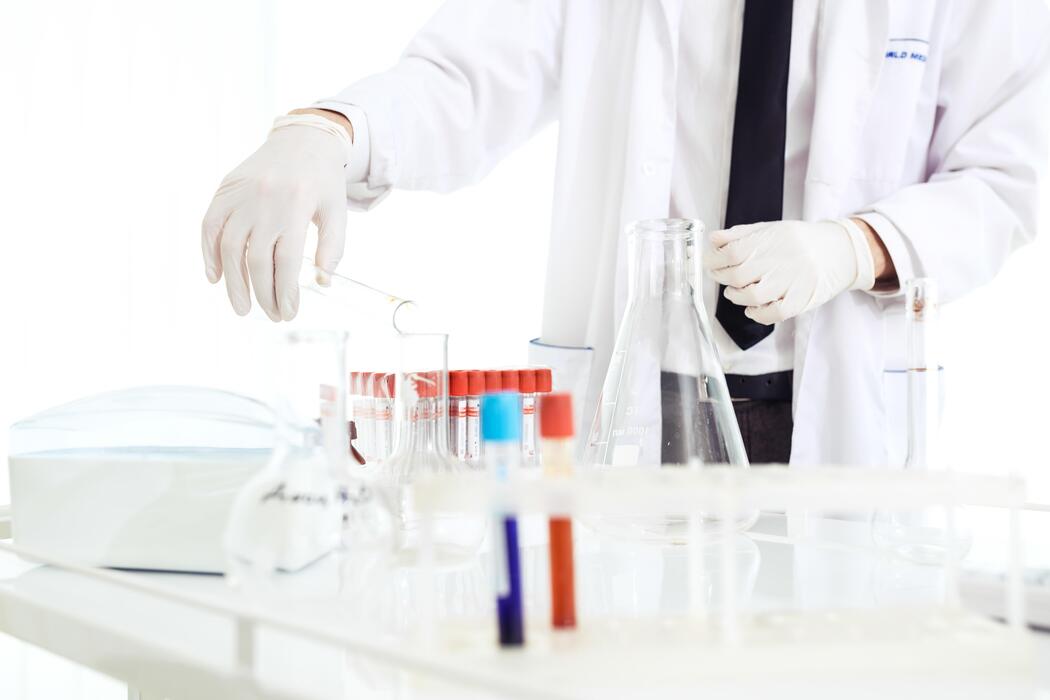
Research peptides are short chains of amino acids synthesised for use in scientific and laboratory investigation. They’re not medicines. They’re not supplements. They occupy a specific niche: compounds used by researchers, scientists, and in some cases serious hobbyist biohackers who want to explore how these molecules interact with biological systems1.
The interest has grown enormously over the past decade. Partly because the science is genuinely fascinating. Partly because the internet made access easier. And partly because a growing number of people got curious after reading about specific peptides in forums, academic papers, and yes, social media threads where someone swears a particular compound changed their recovery time or sleep quality.
Anyway. The point is that demand has risen sharply, and with demand comes a sprawling market full of suppliers ranging from genuinely excellent to frankly a bit dodgy. Which is exactly why understanding pricing matters so much right now.
Research peptides are produced through chemical synthesis, typically solid-phase peptide synthesis (SPPS). The purity of the final product depends on the quality of the raw materials, the skill of the synthesis process, and the rigour of post-production testing. All of which costs money. So when you see a price that seems too good to be true, the question you need to ask is: where did the cost get cut?
Where to Find the Cheapest Research Peptides Online
Here’s the thing: the cheapest research peptides aren’t always found at the most obvious places. The biggest names in the market aren’t always the most affordable. And some smaller, specialist suppliers offer genuinely competitive pricing without cutting corners on quality.
When searching for affordable options, you’re broadly looking at three types of source:
- Specialist research peptide companies that focus exclusively on peptides and publish detailed testing data for each batch.
- General chemical suppliers who stock peptides alongside a wide range of other compounds, often at lower prices but with variable quality control.
- Wholesale or bulk suppliers who offer significant discounts for larger orders, ideal if you’re running ongoing research with consistent compound needs.
The most reliable route to genuinely cheap research peptides, without sacrificing quality, is almost always a specialist supplier who offers volume discounts. Buy more, pay less per unit. Simple. But only worthwhile if the base quality is solid.
For a deeper look at what to know before you buy research peptides in the UK, including how to assess supplier credibility from the start, it’s worth reading up before committing to any order.
One thing worth flagging: the cheapest option on a search results page is often there for a reason. Underpricing in this market is frequently a sign of either very low purity, undisclosed fillers, or simply a supplier who has no interest in repeat customers. Neither is what you want.
Price Comparison: Budget Research Peptide Suppliers
Let’s get into actual numbers, because vague guidance isn’t helpful when you’re trying to work out if a deal is genuinely good value or suspiciously cheap.
Prices shift regularly, and vary by compound, quantity, and supplier. But as a rough framework, here’s what the market looks like for some of the more commonly researched peptides:
| Peptide | Typical Price Range (per vial) | Common Quantity | Quality Indicator to Check |
|---|---|---|---|
| BPC-157 | £18 to £35 | 5mg | HPLC purity above 98% |
| TB-500 (Thymosin Beta-4) | £25 to £55 | 5mg | Mass spectrometry confirmation |
| Ipamorelin | £20 to £40 | 2mg | Third-party CoA available |
| Selank | £22 to £45 | 5mg | Sequence verification |
| Epithalon | £15 to £30 | 10mg | Independent lab testing |
These ranges reflect the realistic market as of 2024. If you’re seeing prices significantly below the lower end of these ranges, that warrants serious scrutiny. Not automatic rejection, but scrutiny. Ask for the CoA. Check where the lab is. Look for independent verification.
Bulk purchasing is where the real savings happen. Many suppliers offer 10% to 30% discounts on orders of five or more vials of the same compound. Some offer loyalty pricing for repeat orders. If your research requires consistent use of a specific peptide, buying in bulk from a verified supplier is almost always the most cost-effective approach.
How to Evaluate Quality in Low-Cost Peptide Products

This is the section that actually matters. Because finding cheap research peptides is easy. Finding cheap research peptides that are actually what they claim to be, at the purity stated, is the real challenge.
Here’s what to look for:
Certificate of Analysis (CoA)
Every serious research peptide supplier should provide a certificate of analysis for each batch. This document should come from an independent third-party laboratory, not an in-house test. It should show HPLC (high-performance liquid chromatography) purity data, and ideally mass spectrometry confirmation that the molecular weight matches the expected compound.
A CoA showing purity below 98% is a concern for most research applications. Anything below 95% is generally considered poor quality. And a supplier who can’t or won’t provide a CoA? Walk away. Seriously.
Synthesis Method
Quality peptides are produced using solid-phase peptide synthesis with pharmaceutical-grade reagents. Suppliers who are transparent about their synthesis process are generally more trustworthy than those who provide no information at all. You don’t need a chemistry degree to spot the difference between a supplier who knows their process and one who doesn’t.
Storage and Shipping
Peptides degrade. Temperature, light, and moisture all affect stability. A supplier offering the cheapest research peptides in the market but shipping them in uninsulated packaging during summer without any temperature control is effectively selling you a degraded product at a discount. Look for suppliers who use appropriate packaging and offer cold-chain shipping where relevant.