
What is the Best Research Peptide Company? A Complete UK Buyer’s Guide
What is the best research peptide company? It is one of the most searched questions in the UK research community right now, and honestly, the answer is not as simple as a ranked list. Here is the thing: some suppliers publish beautiful websites with impressive-sounding credentials, yet their actual quality control is non-existent. Others operate quietly, do the work properly, and let their lab reports speak for themselves. Knowing how to tell them apart is the whole game.
Think about it like asking a GP which vitamin brand is worth buying. Some will shrug and say they all look the same. Others will tell you exactly what to look for on the label, what certifications matter, and which claims are pure marketing fluff. That kind of informed scepticism is exactly what you need when evaluating research peptide suppliers. Anyway, let us get into it properly.
What Makes a Research Peptide Company Trustworthy?

When researchers ask what is the best research peptide company, they are really asking a deeper question: which supplier can I actually trust? Trustworthiness in this space comes down to a handful of non-negotiable factors. Purity. Transparency. Consistency. And a willingness to be held accountable through independent verification.
A trustworthy supplier does not just claim high purity. They prove it. Every batch should come with a Certificate of Analysis (CoA) from an independent, named laboratory. Not a generic document. Not one dated from six months ago that covers the entire product line. A batch-specific CoA that tells you exactly what was tested, when, and what the results showed.
Sourcing transparency matters too. Where are the raw materials coming from? Are they synthesised in-house or sourced from third-party manufacturers? The best suppliers are upfront about this. If a company’s website gives you nothing but vague assurances and stock photography, that is worth noting.
And then there is customer service. Not glamorous, but genuinely important. Can you get a real answer to a technical question? Will they send you a CoA on request without making it feel like you are asking for state secrets? These small interactions tell you a lot about how seriously a company takes its responsibilities.
How to Evaluate Research Peptide Suppliers: Key Criteria
Not all evaluation criteria are equal. Some things look impressive on paper but mean very little in practice. Others are quietly essential. Here is a breakdown of what actually matters when you are comparing suppliers.
Purity Percentage
Purity is the headline number. Most reputable research peptide suppliers aim for 98% purity or higher, measured by HPLC. Anything below 95% should raise questions. And crucially, that number needs to be backed by a real lab report, not just a claim on a product page.
Testing Methods Used
HPLC alone confirms purity. Mass spectrometry confirms identity. You want both. A supplier who only uses one method is giving you half the picture. According to research published on PubMed, combining HPLC with mass spectrometry provides the most reliable confirmation of peptide composition and purity1.
Manufacturing Standards
Good Manufacturing Practice (GMP) is the gold standard for production environments. The World Health Organisation sets out detailed GMP guidelines that cover everything from facility hygiene to batch record-keeping2. Not every research peptide supplier operates under full GMP conditions, but those who do are demonstrating a genuine commitment to quality that goes beyond the minimum.
Delivery and Storage
Peptides are sensitive compounds. They degrade with heat, moisture, and light. A supplier who ships lyophilised (freeze-dried) peptides with appropriate cold-chain packaging is showing they understand the science. One who drops a vial in a padded envelope with no temperature consideration is not.
Pricing and Value
Here is where researchers sometimes get caught out. Suspiciously cheap peptides are almost always cheap for a reason. Corners have been cut somewhere: in synthesis, testing, or storage. That said, the most expensive supplier is not automatically the best. Look for transparent pricing with clear explanations of what you are paying for.
| Evaluation Criterion | What to Look For | Red Flag |
|---|---|---|
| Purity Testing | Batch-specific HPLC results, 98%+ | Generic or undated CoA |
| Identity Verification | Mass spectrometry confirmation | HPLC only, no MS data |
| Manufacturing | GMP-compliant facility | No information provided |
| Sourcing | Named synthesis origin | Vague or evasive answers |
| Customer Support | Technical, responsive, knowledgeable | Templated or delayed replies |
| Packaging | Lyophilised, cold-chain aware | No temperature consideration |
Third-Party Testing and Certification Standards in the Peptide Industry
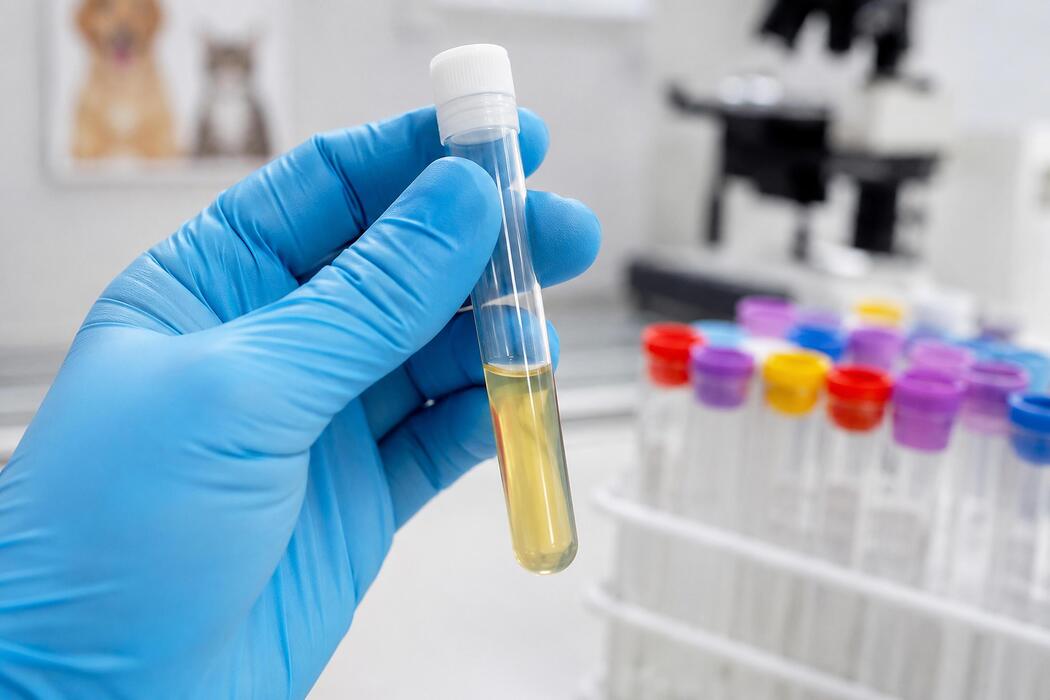
Third-party testing is the single most important differentiator between a supplier worth considering and one worth avoiding. Full stop. When a company tests its own products in-house and publishes those results, you are essentially being asked to take their word for it. Independent testing removes that conflict of interest entirely.
The best suppliers send samples to accredited external laboratories, ones with no commercial relationship with the peptide company itself. The resulting Certificate of Analysis should include the laboratory’s name, accreditation details, the specific batch number tested, the date of testing, and the purity result expressed as a percentage3.
HPLC (High-Performance Liquid Chromatography) is the industry benchmark for purity testing. It works by separating the components of a sample and measuring their relative concentrations. A purity reading of 99% from an HPLC test means that 99% of the sample is the target compound, with 1% being impurities or related substances.
Mass spectrometry goes a step further by identifying the molecular mass of the compound. This confirms you actually have what the label says, not a structurally similar but different molecule. Together, these two tests give researchers genuine confidence in what they are working with.
A batch-specific Certificate of Analysis from a named, accredited laboratory is not a nice-to-have. It is the minimum standard a serious research peptide supplier should meet.
Some suppliers also pursue ISO 9001 certification, which covers quality management systems across their entire operation. This is not specific to peptide purity, but it signals that the company has formalised its processes and is subject to external audit. Worth noting when you see it, but not a substitute for actual lab data.
If you want to understand more about how purity testing works in practice, our guide on what to know before buying research peptides in the UK covers the basics in plain language.
Red Flags When Choosing a Research Peptide Company

Right. Let us talk about the warning signs, because this is where a lot of researchers get stung. The research peptide market has more than its share of suppliers who look credible on the surface but fall apart under scrutiny.
- No Certificates of Analysis available: If you cannot find a CoA for a specific product batch, walk away.
- Generic or undated lab reports: A CoA that does not reference a specific batch number and date is essentially meaningless.
- Unverifiable laboratory names: Check that the testing lab actually exists and is accredited. Some suppliers list fictional or unverifiable labs.
- Prices significantly below market rate: Research-grade synthesis is not cheap. If the price seems too good to be true, it probably is.
- Vague sourcing information: Reputable suppliers can tell you where their peptides are synthesised. Evasive answers suggest something to hide.
- No clear returns or complaint policy: A company confident in its product quality will stand behind it.
- Aggressive health claims: Any supplier making therapeutic or medical claims about research peptides is operating outside appropriate boundaries and should be treated with scepticism.
A friend of mine (a postgraduate researcher, not a casual buyer) once ordered from a supplier that had glowing marketing copy, a professional-looking website, and a CoA that turned out to be the same document reused across multiple different products. Same date, same batch number, different compounds. Spot on presentation, rubbish product integrity. He only caught it because he cross-referenced batch numbers between two different orders. Most people would not have noticed.
Where to Buy Research Peptides Safely: Supplier Comparison
When asking what is the best research peptide company, it helps to think less about brand names and more about supplier categories. The market broadly breaks down into a few types of vendor, each with different strengths and weaknesses.
Specialist UK-Based Suppliers
UK-based suppliers operate under UK consumer protection law and trading standards, which offers a baseline of accountability that overseas vendors may not provide. They are also more likely to understand the specific regulatory context UK researchers are working in. For a deeper look at the options available domestically, our complete UK buyer’s guide to research peptides for sale is a useful starting point.
International Suppliers with UK Distribution
Some well-regarded international suppliers have UK distribution arrangements, which can combine broader product ranges with reasonable delivery times. The key question here is where the testing happens. If lab reports are generated overseas and there is no UK-side verification, you are relying entirely on the overseas supplier’s standards.
Direct Synthesis Companies
Companies that synthesise peptides in-house have more control over quality at every stage. They can trace a problem back to its source. They understand the chemistry. But in-house synthesis also means in-house testing is a temptation, which is why independent verification still matters even here.
For practical guidance on finding a safest place to buy peptides in the UK, it is worth reading up on the specific questions to ask any supplier before committing to an order.
The Role of Lab Analysis in Verifying Peptide Purity
Lab analysis is not just a box-ticking exercise. It is the actual mechanism by which you know what you have. And understanding what a Certificate of Analysis tells you, and what it does not, is genuinely useful for any researcher sourcing compounds.
A proper CoA will show you the purity percentage, the testing method used, the molecular weight of the compound, and ideally a chromatogram showing the HPLC trace. That chromatogram is worth looking at. A clean trace with one dominant peak and minimal noise is what you want. Multiple peaks suggest impurities. A messy baseline suggests poor synthesis or degradation.
What a CoA does not tell you is whether the compound has been stored correctly since testing, or whether the batch you receive matches the one that was tested. This is why suppliers who test on dispatch rather than on manufacture are preferable. Some suppliers will also allow you to request a re-test of a specific batch if you have concerns. That level of accountability is rare but genuinely reassuring when you find it.
It is also worth understanding that peptide purity can change over time, particularly if storage conditions are not maintained. A compound that tested at 99% purity at manufacture might degrade if stored improperly. Good suppliers account for this with appropriate packaging and clear guidance on storage conditions.
Understanding Peptide Company Credentials and Accreditations
Credentials can be genuinely meaningful or they can be marketing dressing. Knowing the difference matters. Here is a quick rundown of what various credentials actually indicate.
- ISO 9001: A quality management system standard. It means the company has formalised its processes and is audited externally. Useful, but does not specifically address peptide purity.
- GMP compliance: Good Manufacturing Practice. Covers the physical environment, equipment calibration, batch records, and staff training. The WHO’s GMP guidelines are the international reference point. A supplier operating to GMP standards is taking quality seriously at the process level.
- Accredited laboratory partnerships: When a supplier names the external lab they use for testing, you can verify that lab’s accreditation independently. UKAS (United Kingdom Accreditation Service) accreditation is the relevant standard for UK laboratories.
- HPLC purity guarantees: Some suppliers offer a stated purity guarantee, typically 98% or above. This is only meaningful if backed by batch-specific documentation.
What you should be sceptical of: vague claims like
References
- Peptide synthesis and quality standards in research chemistrypubmed.ncbi.nlm.nih.gov
- Good Manufacturing Practice (GMP) guidelines overviewwho.int
- HPLC analysis methods for peptide purity determinationpubmed.ncbi.nlm.nih.gov